• Kallanai-Srirangam-Mukkombu

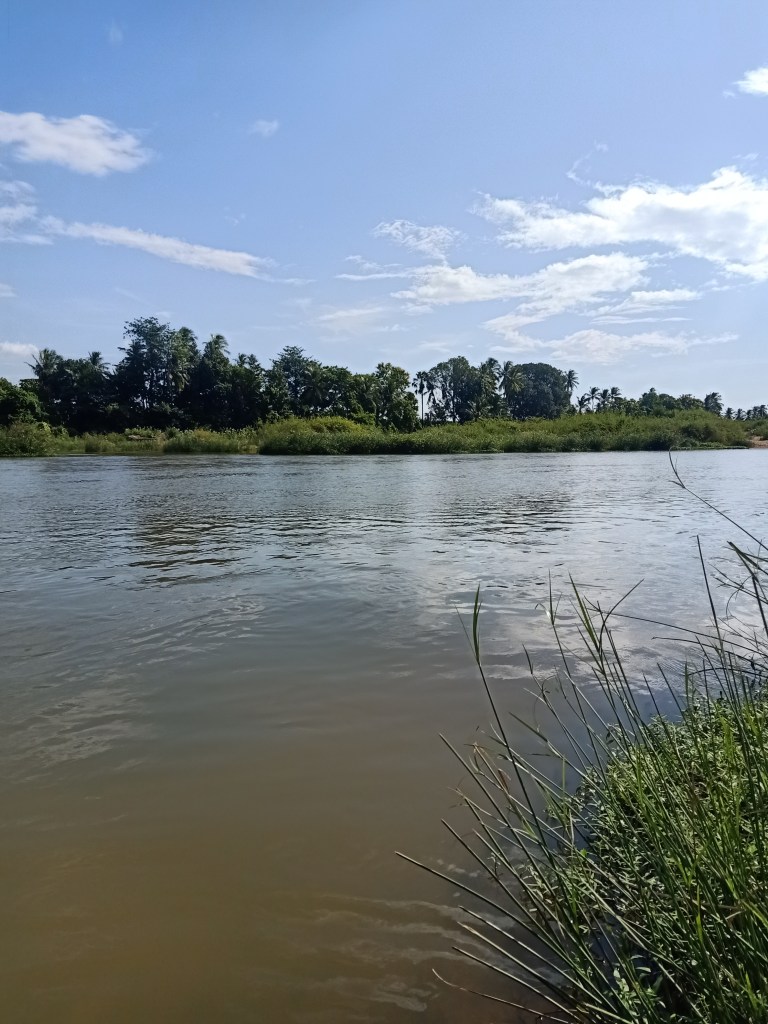
    “Chittadiye Chittadiye” a famous lullaby sung to children in Tamilnadu. In the song it says” arirendum kaveri, Adu Naduve Srirangam” describing Srirangam as the island in head delta of kaveri with Kollidam river to thr north and kaveri to the south.

    A trip to Srirangam can be fulfilling from the religious point of view as well as a relaxing trip that enables enjoying nature at its best.

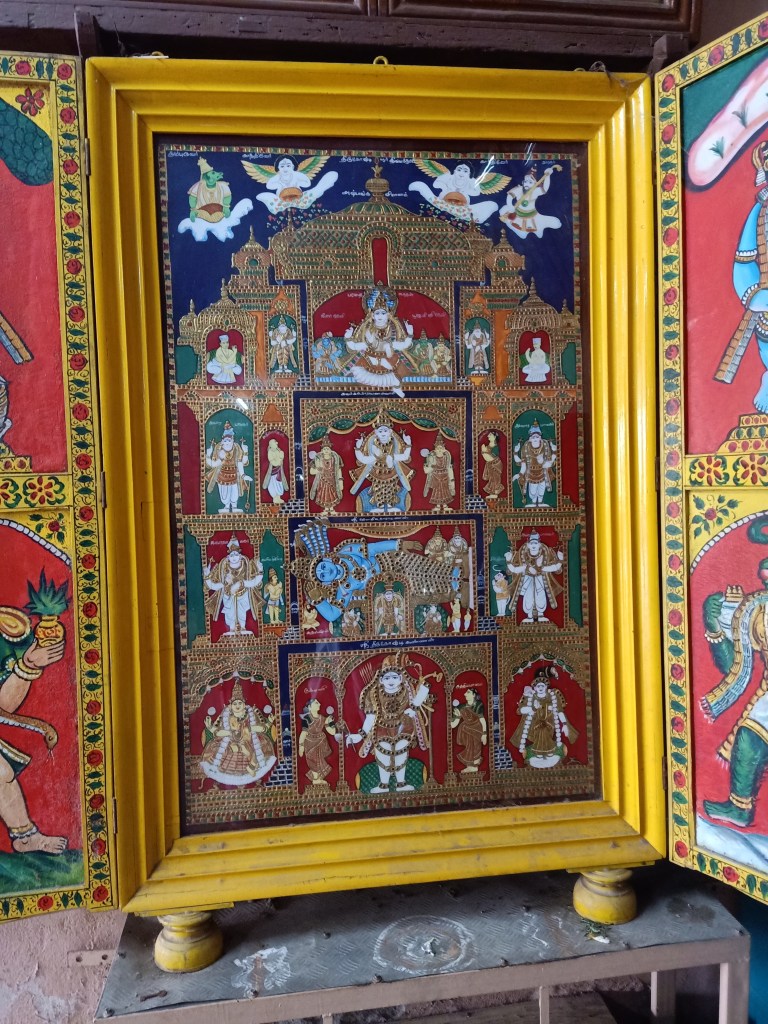
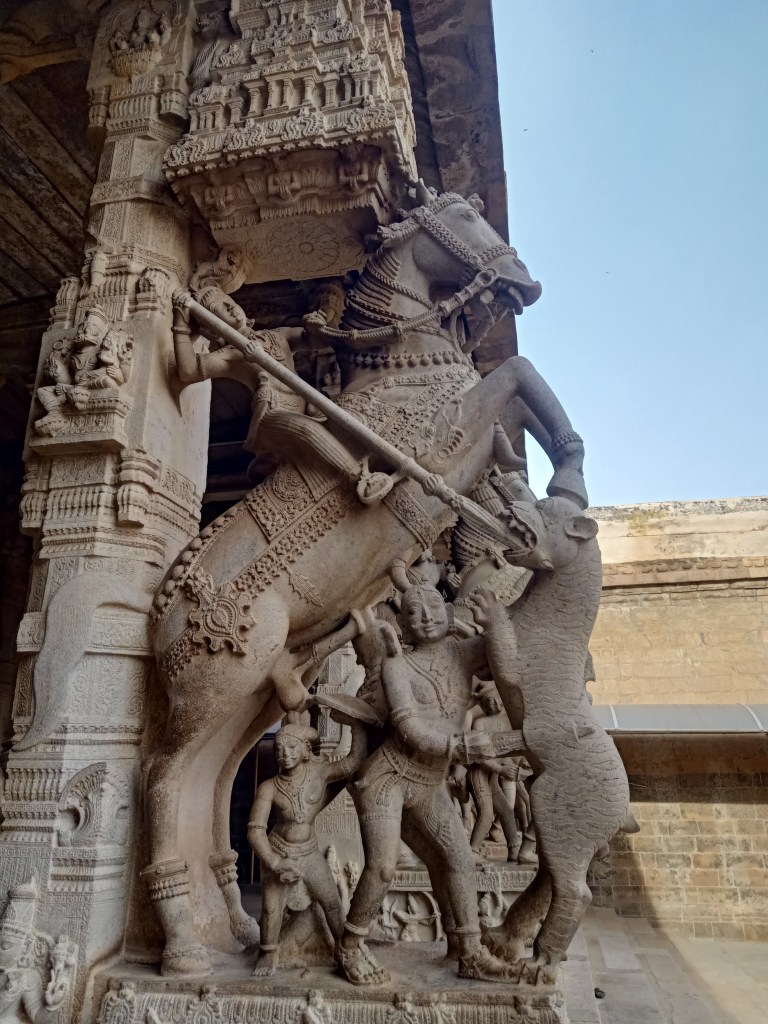
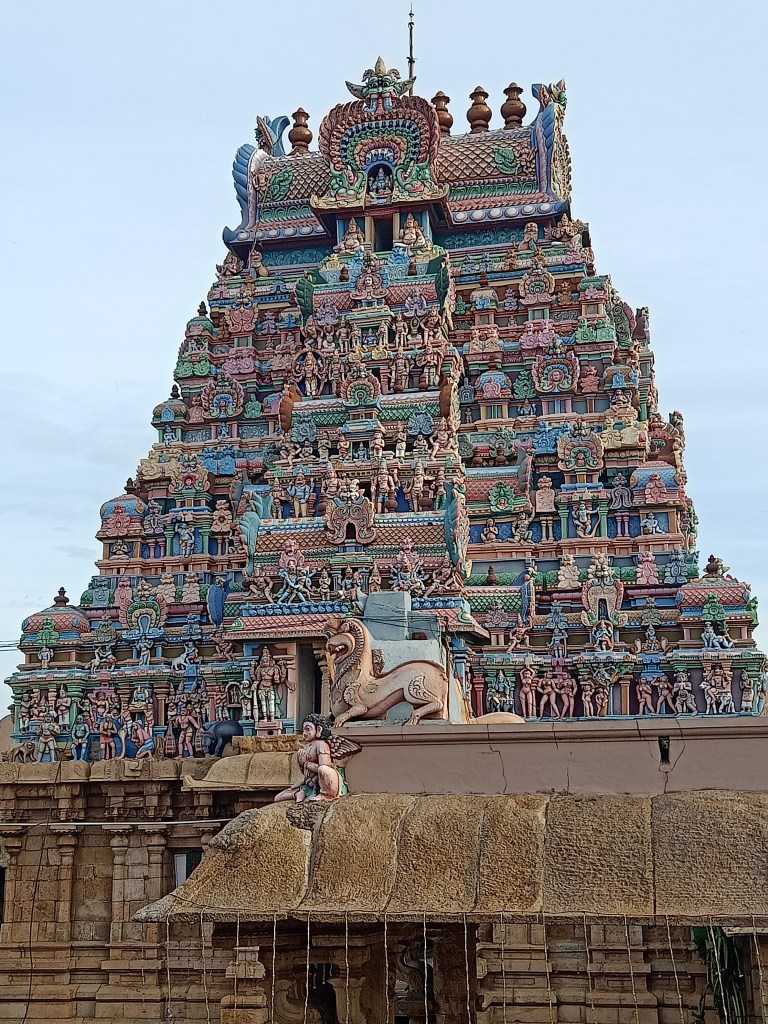
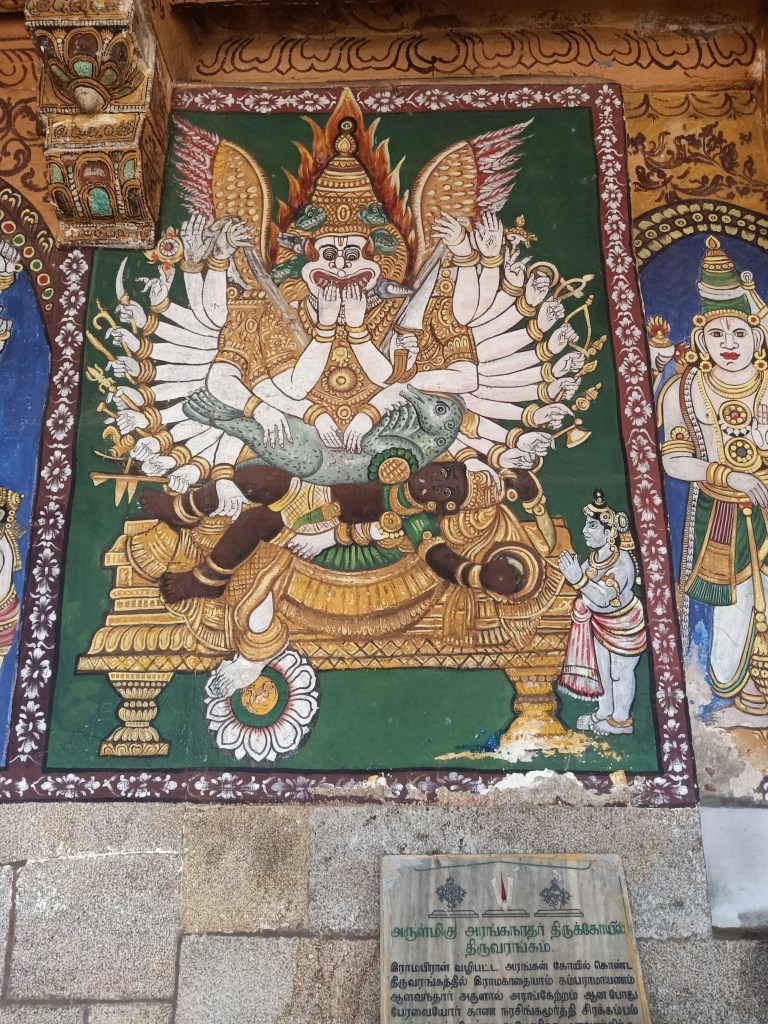
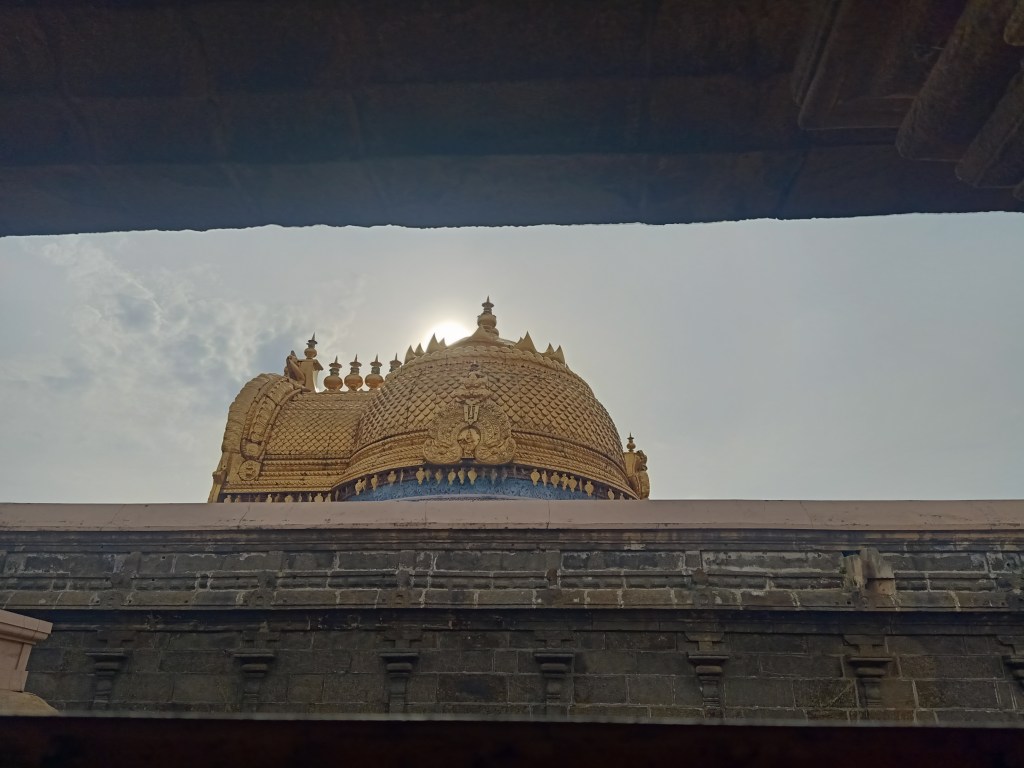
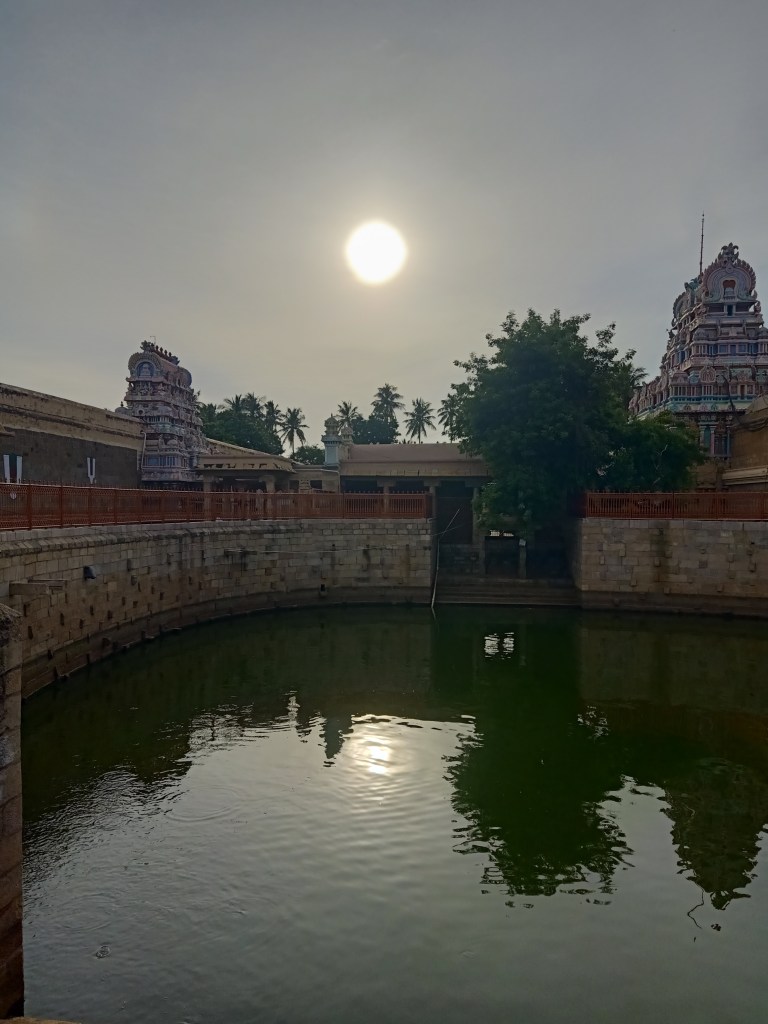
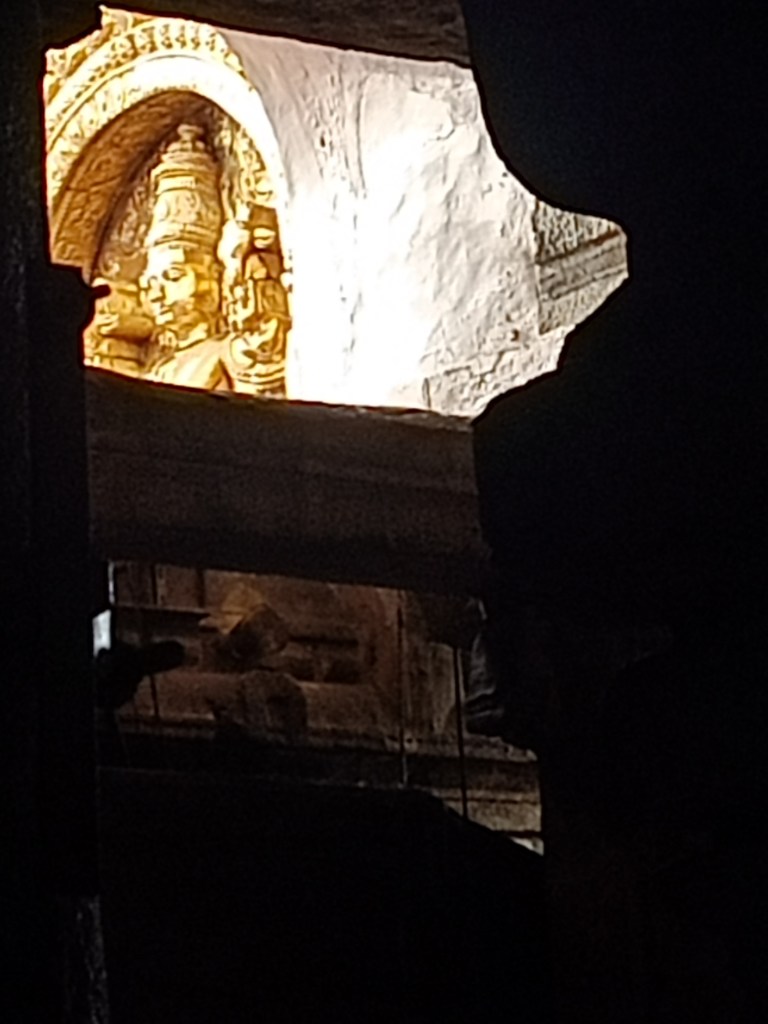
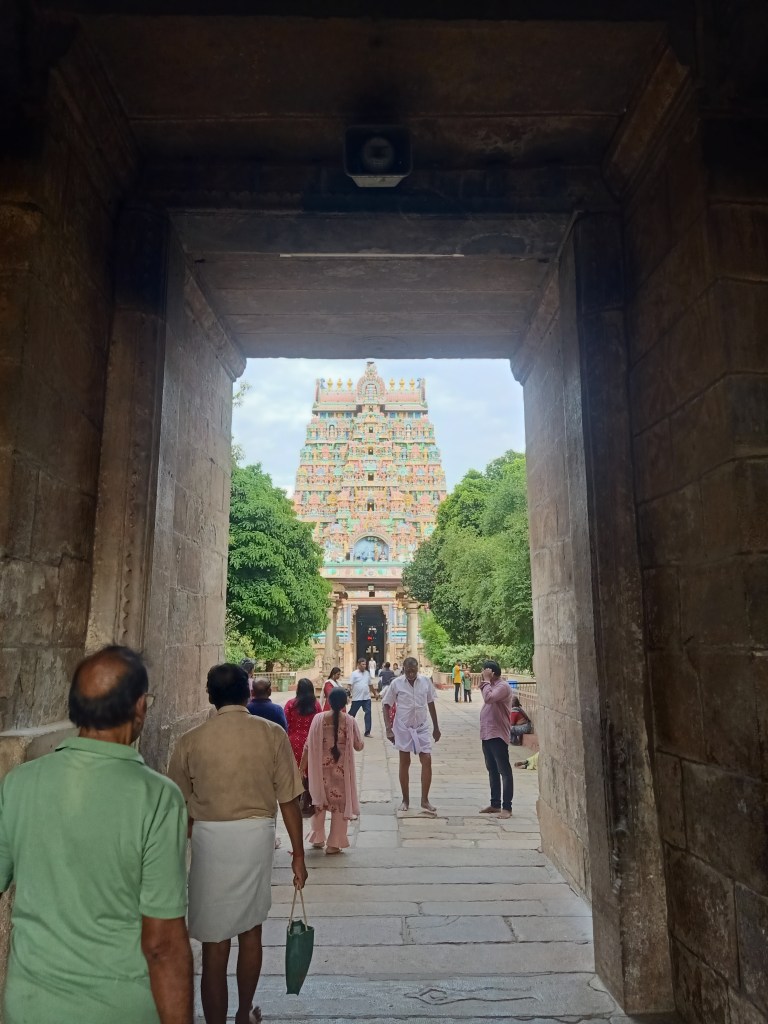
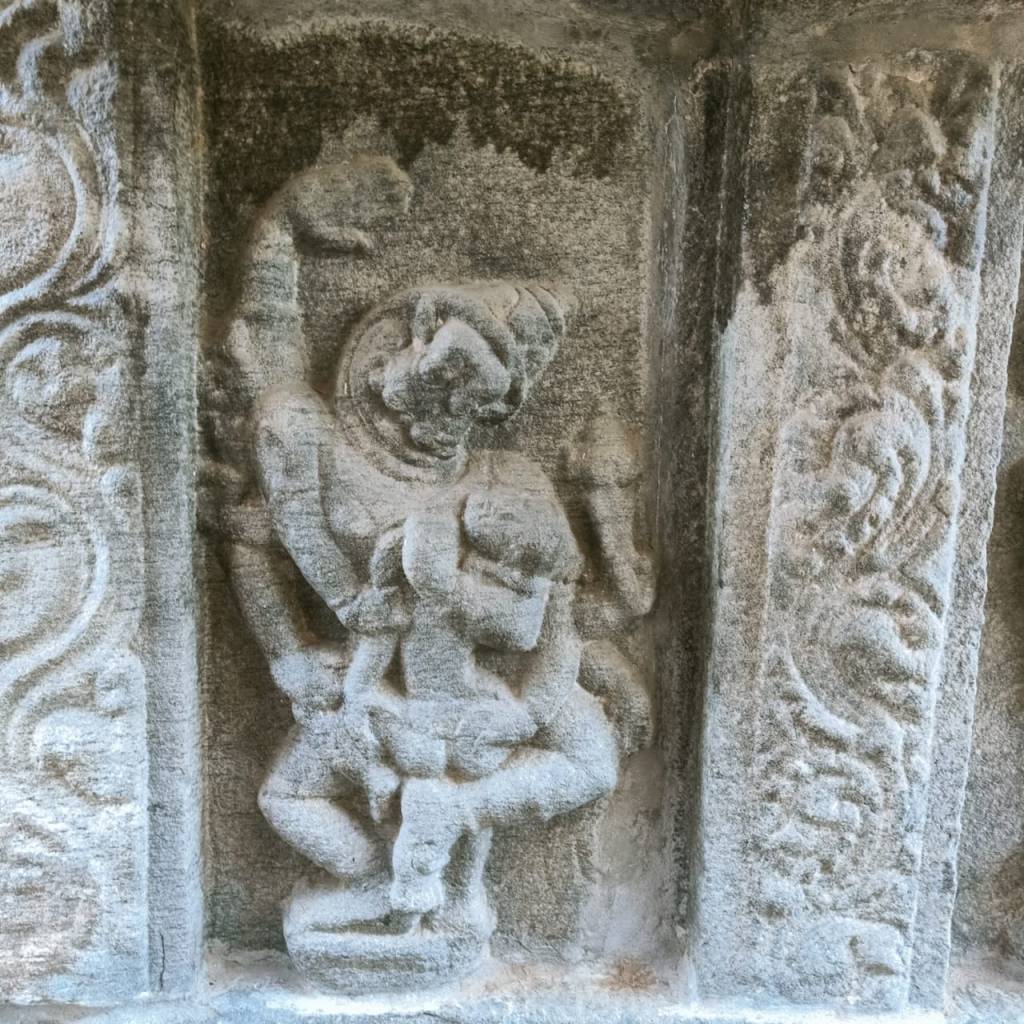
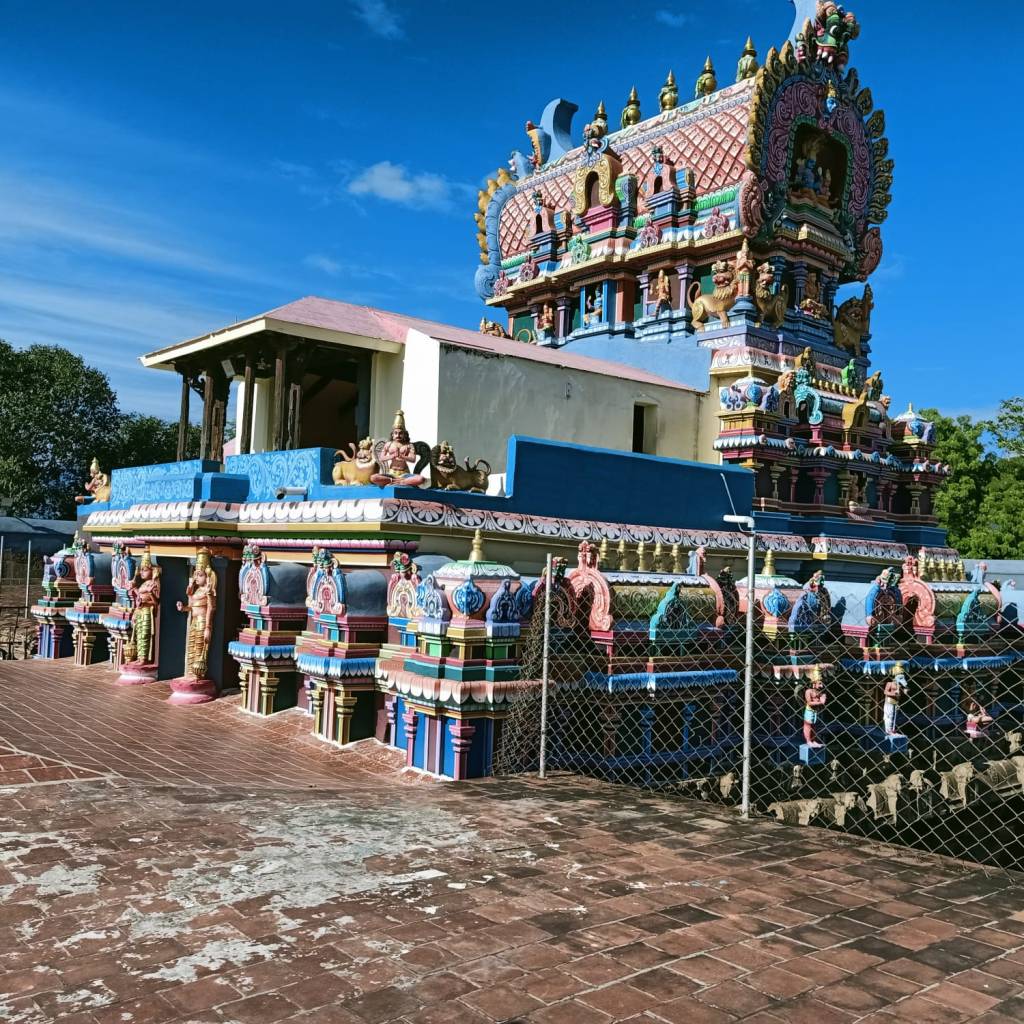
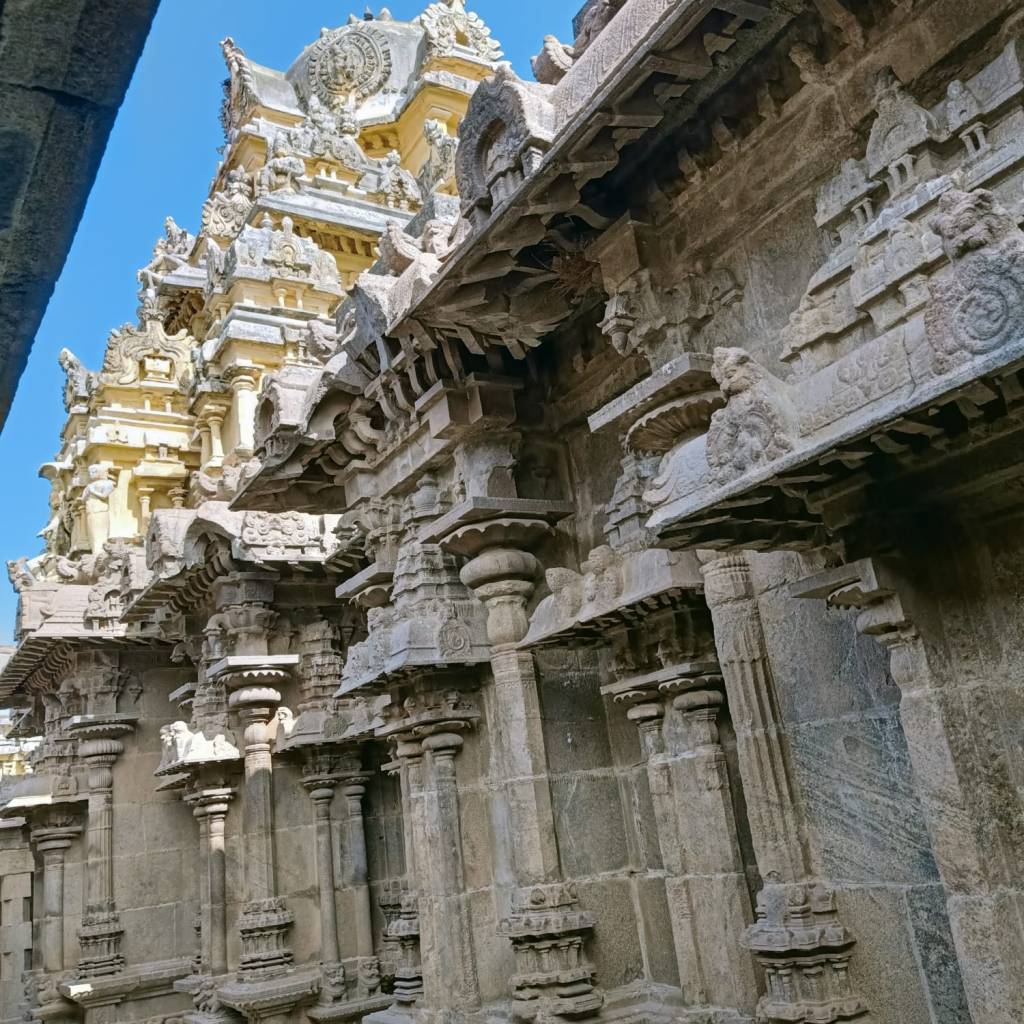
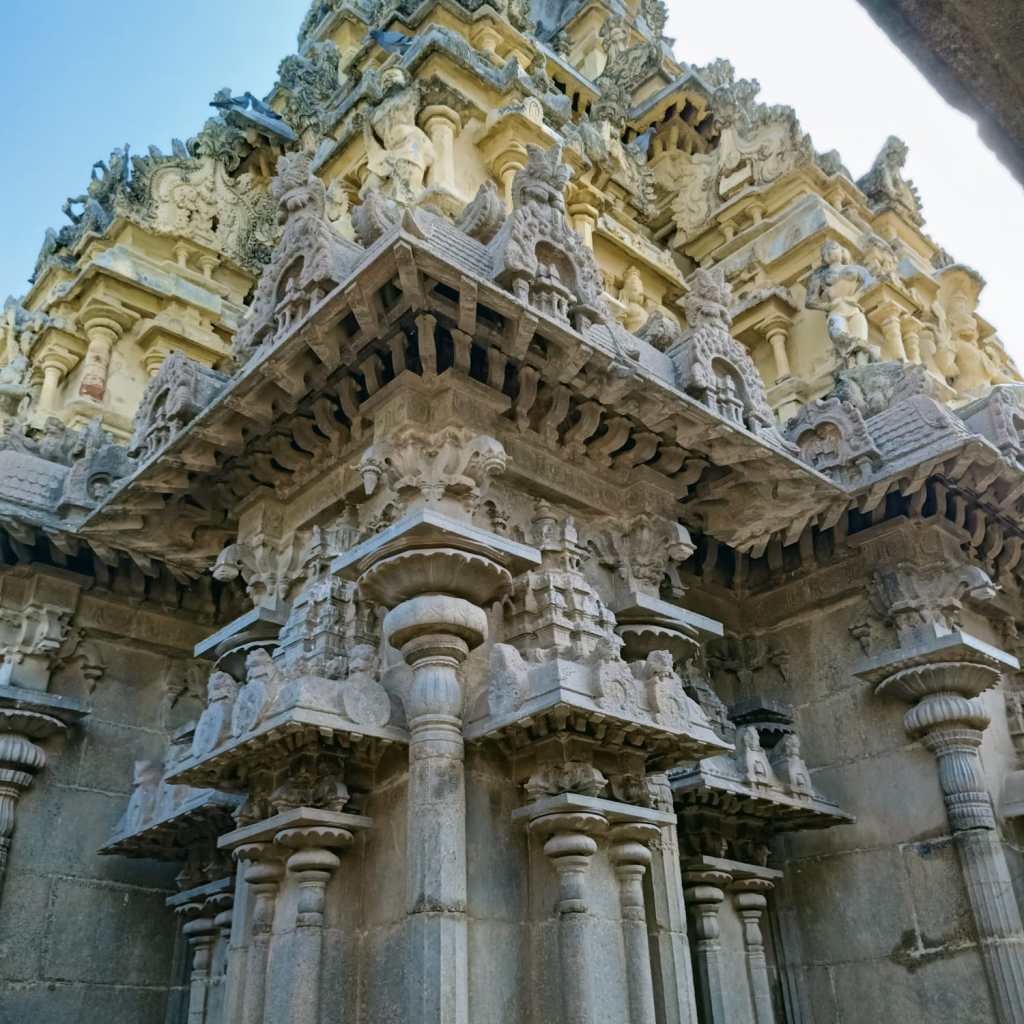
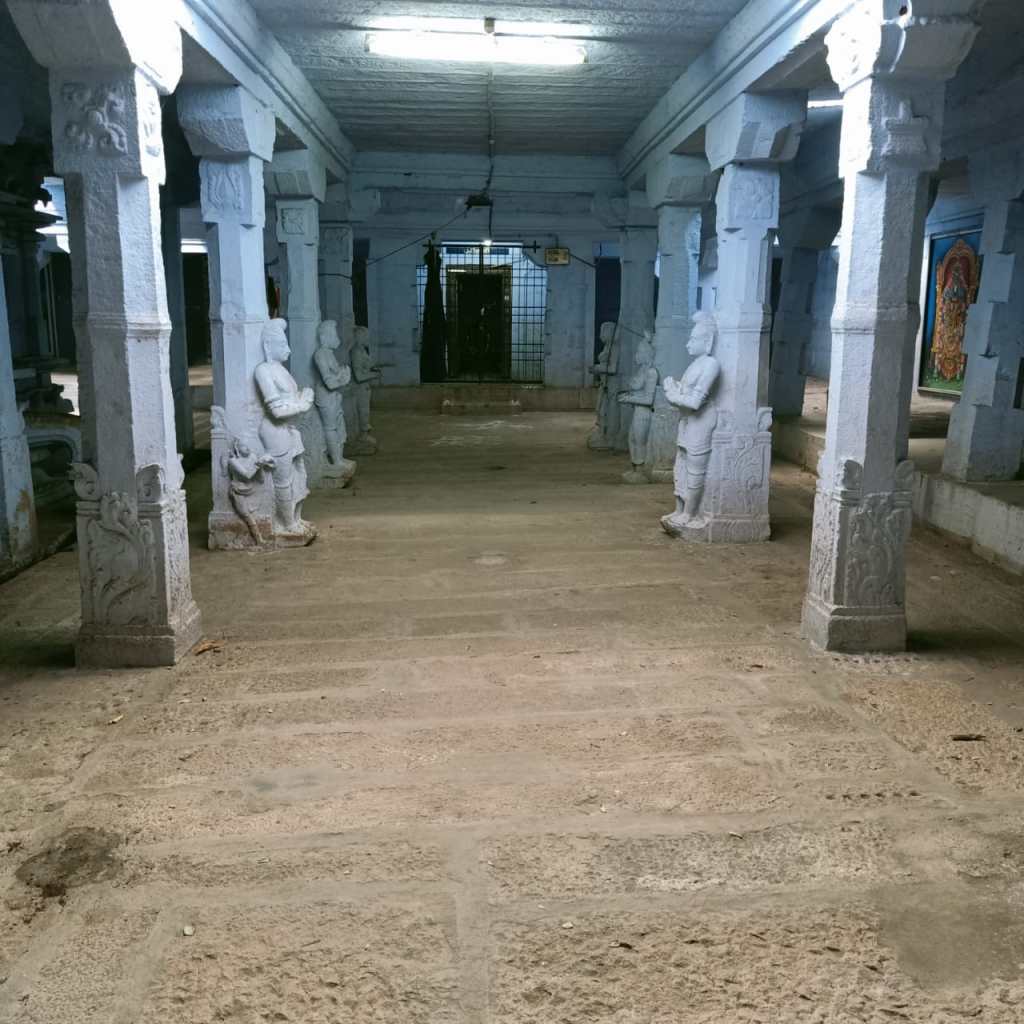
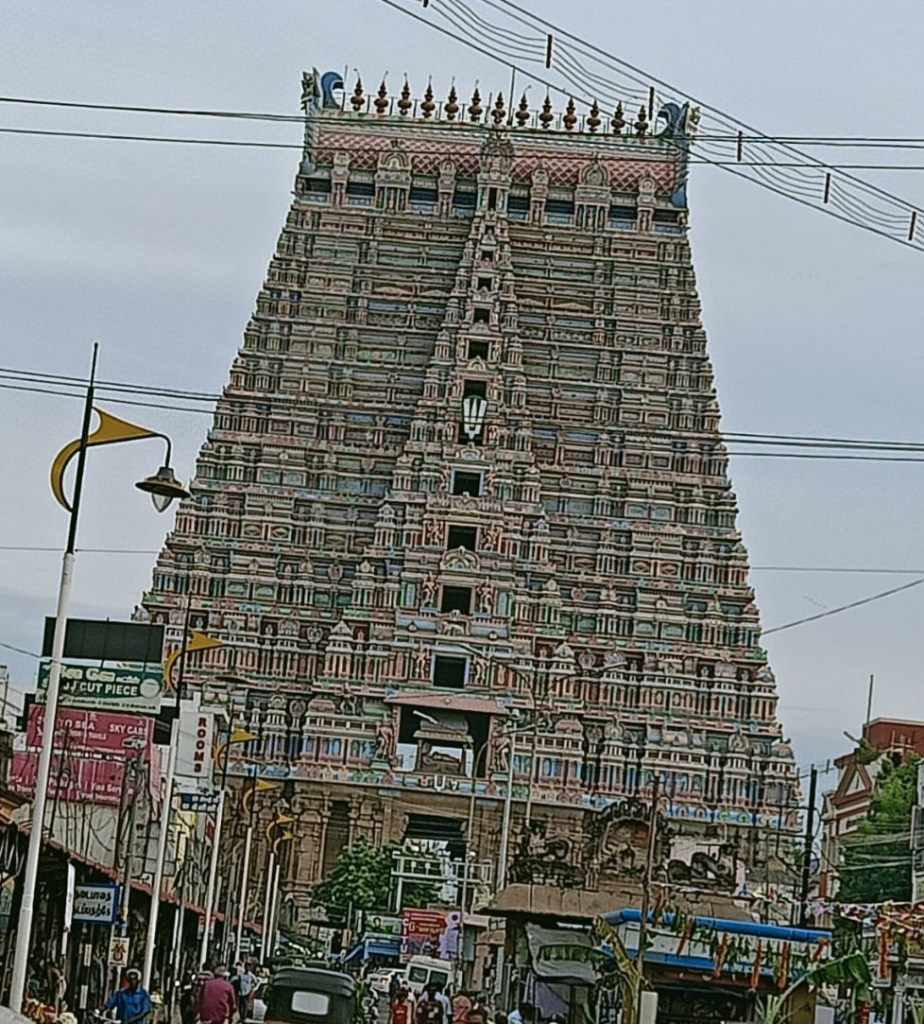
    At first, we start with the Srirenganatha Swamy Temple. Given that this temple presents in multiple layers within the Srirangam island, tucked between Kauvery and Kollidam it would require at the least one year of vacation to enjoy the special festivities that are hallmarks of the traditions of this temple. Within this temple, are gopurams, mandapams, tanks, various mutts, veda and prabhanda patasalas, gardens galore. Alternatively, if you are young and healthy, the year can be sub-divided into specific time periods and one can see a certain section of the temple at a specified month of a year. The beautiful sesharayan mandapam sports so many sculptures.
    oppo_32
    oppo_32
    oppo_32
    oppo_32
    oppo_32
    oppo_0
    oppo_32
    oppo_32

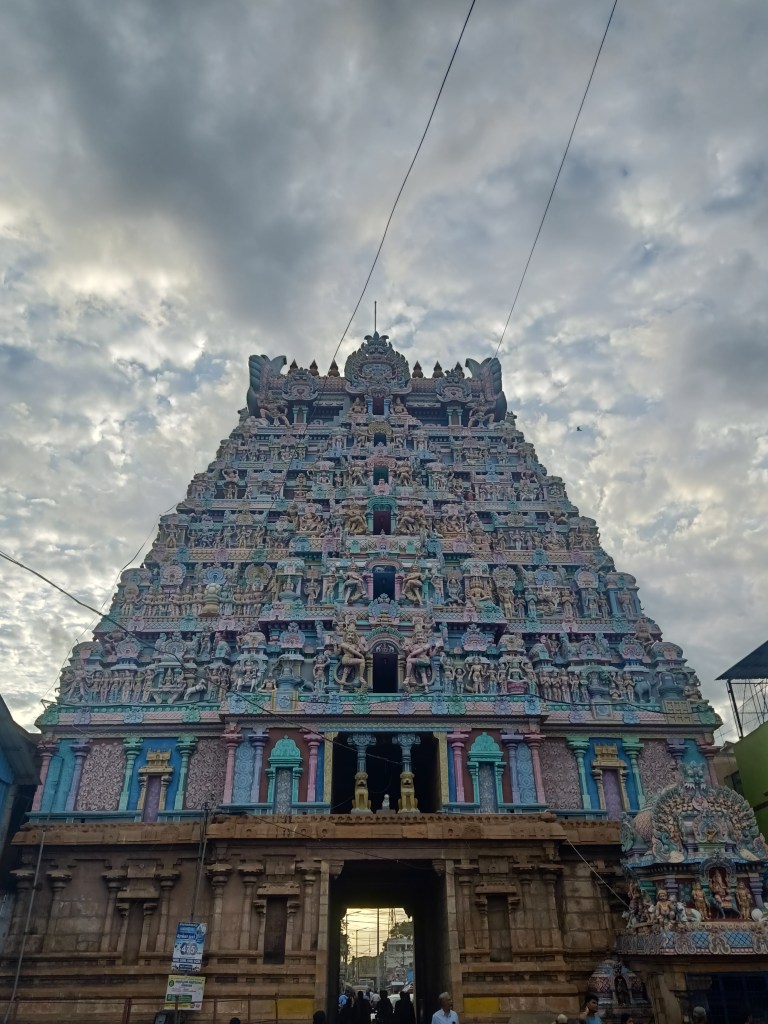
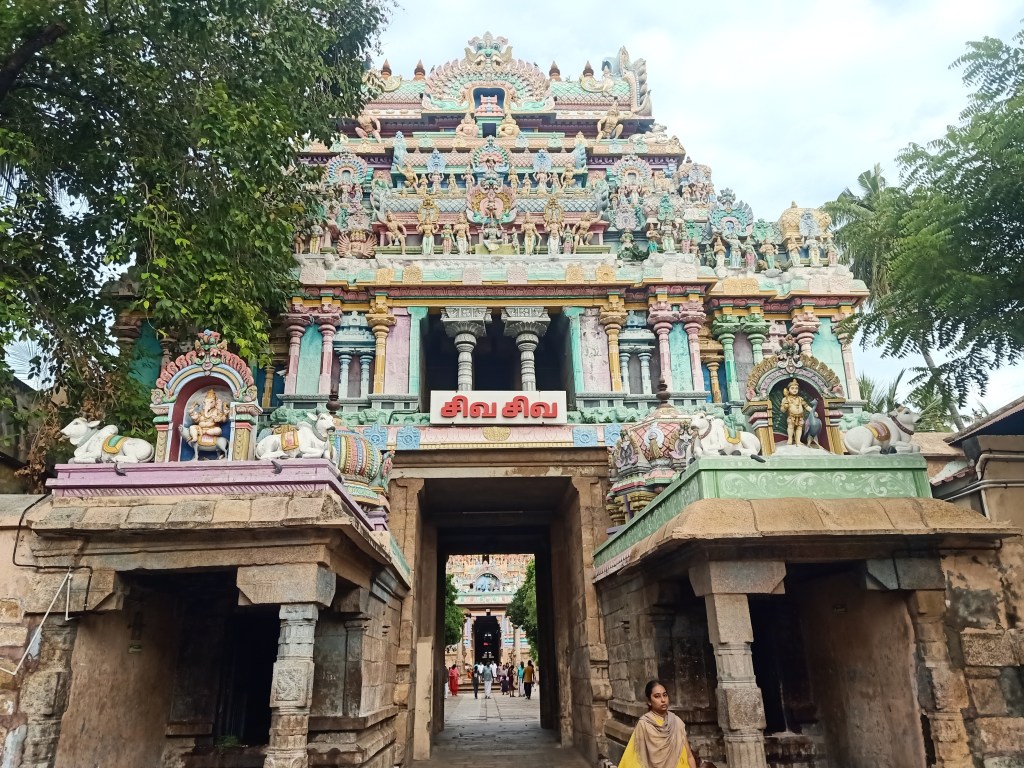
    The Jambugeswarar temple

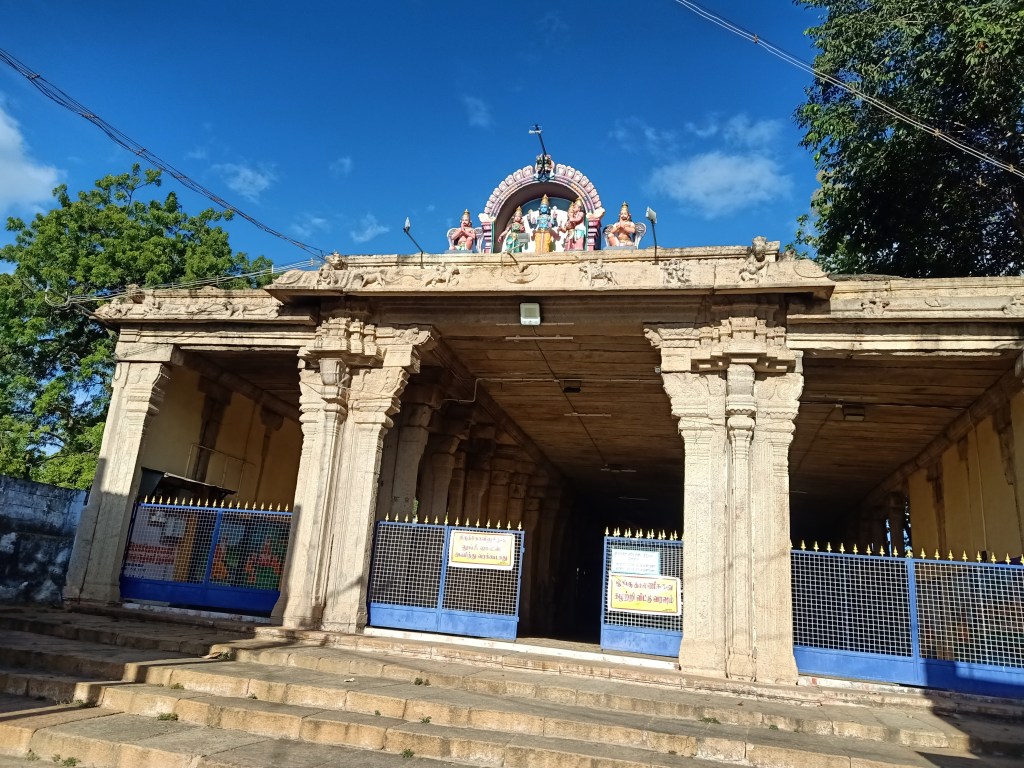
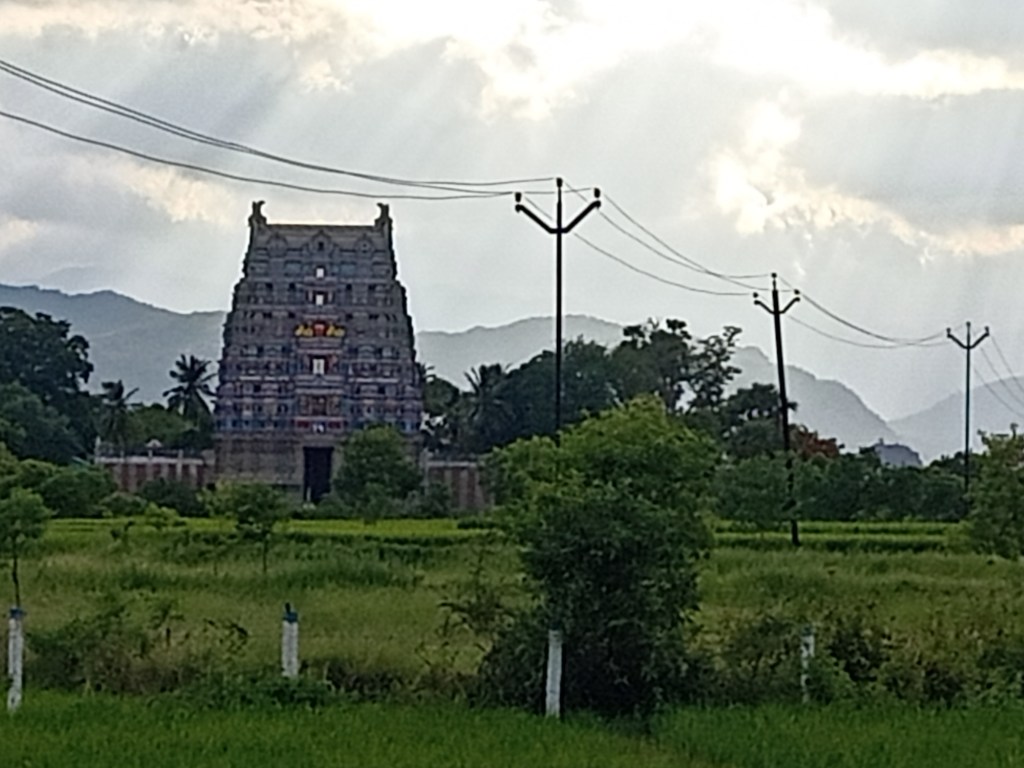
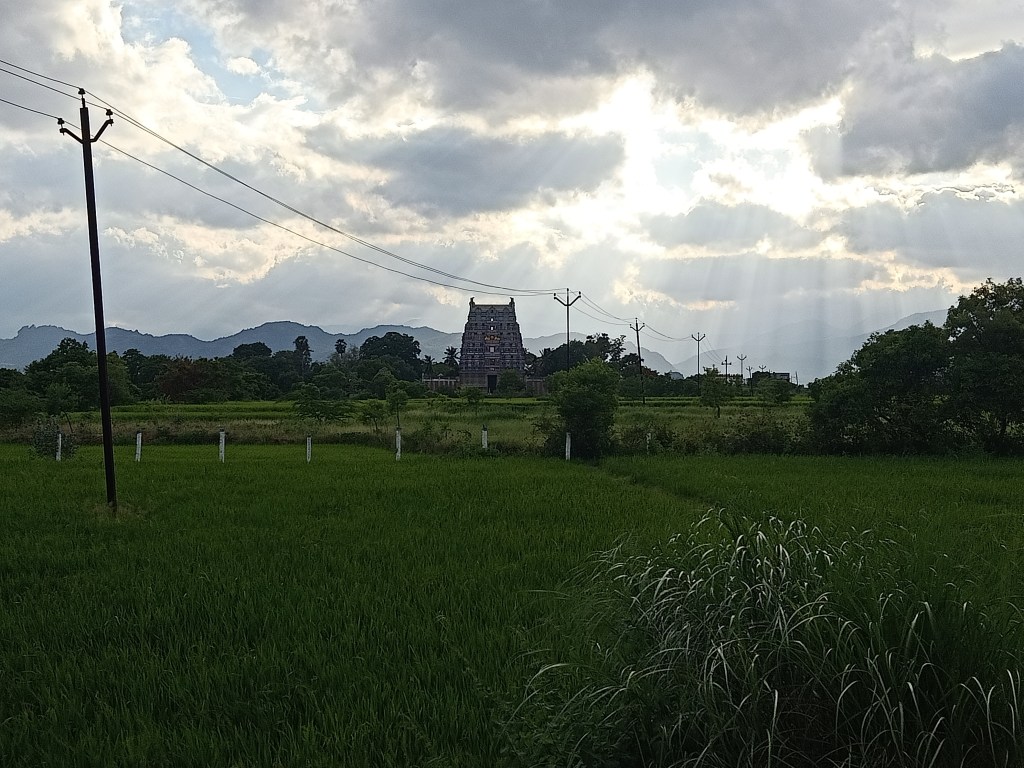
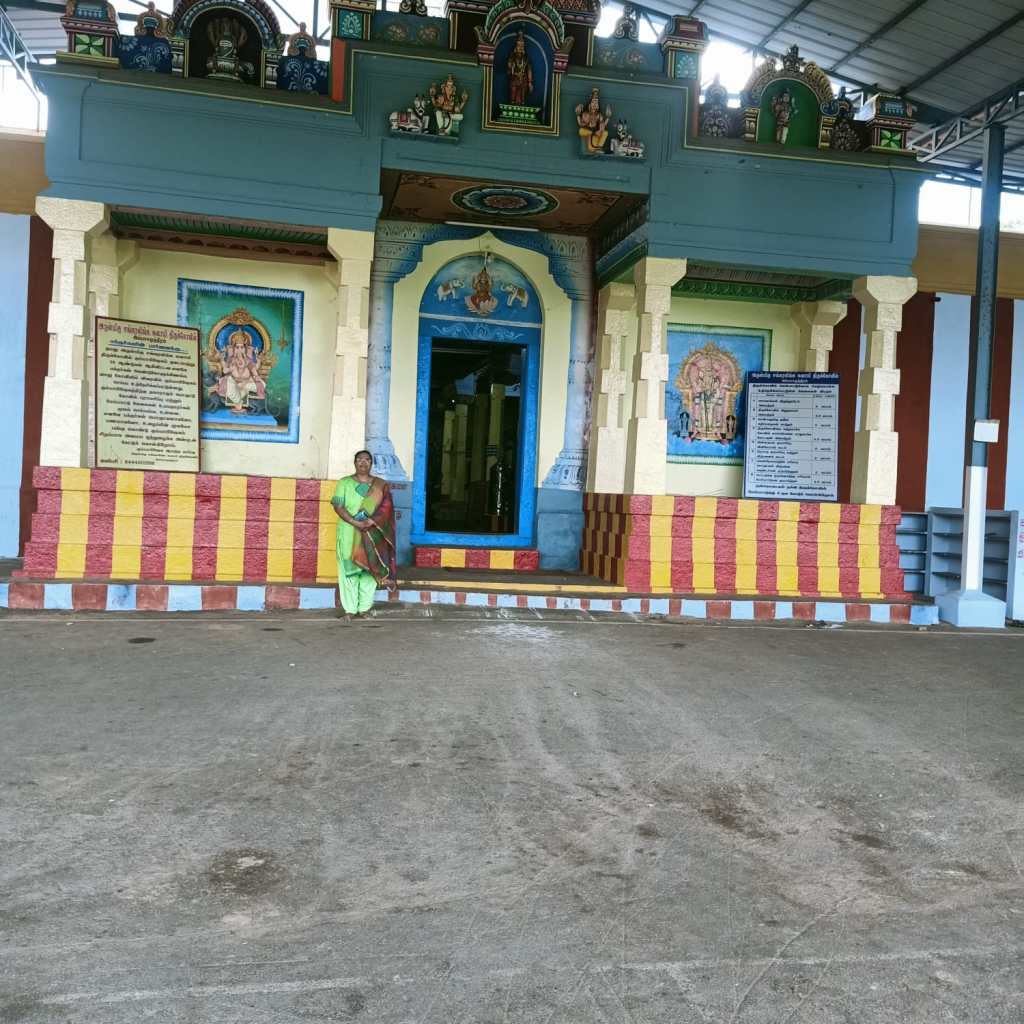
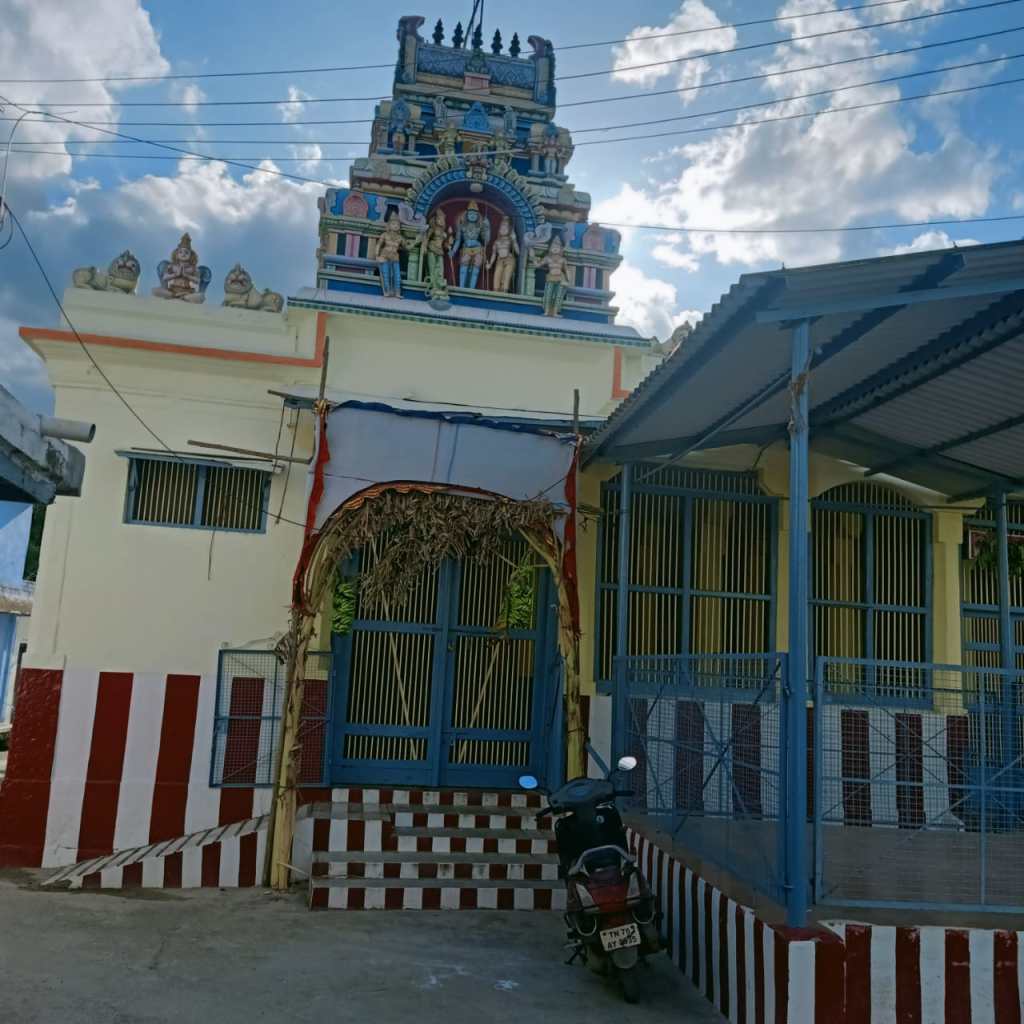
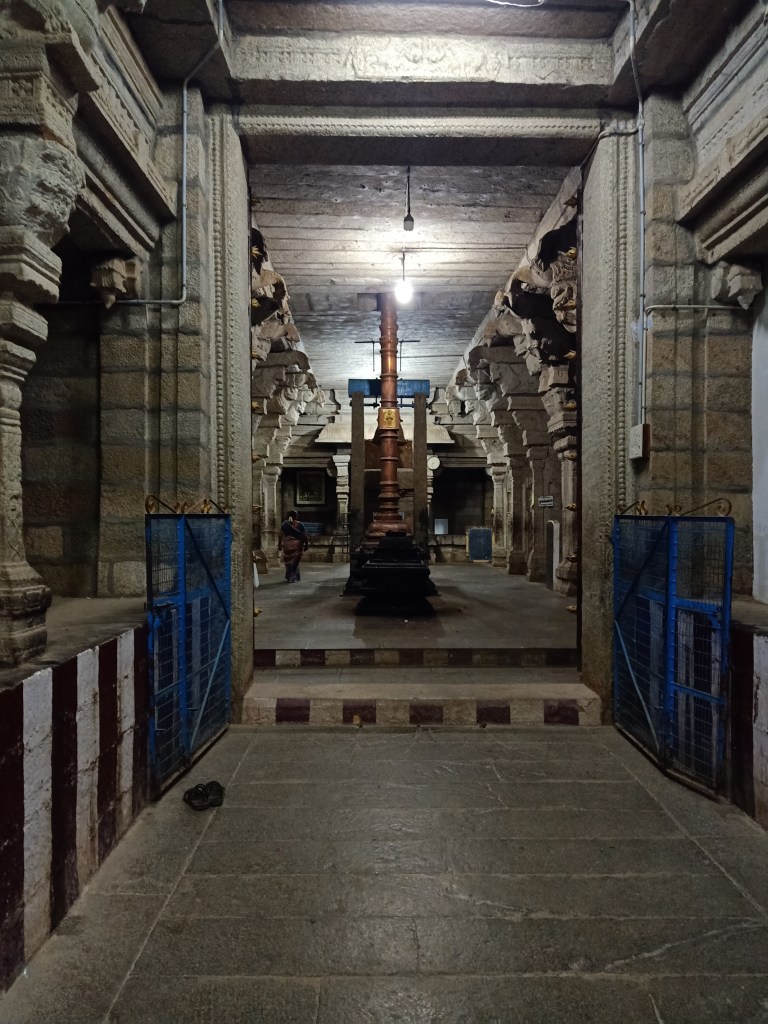
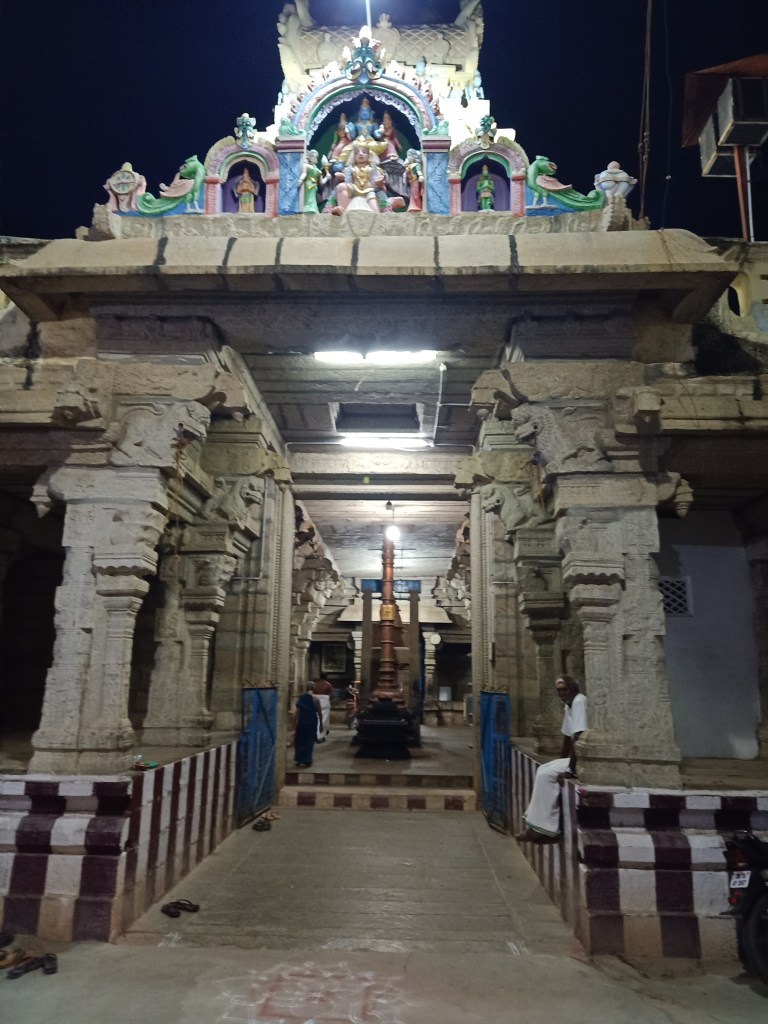
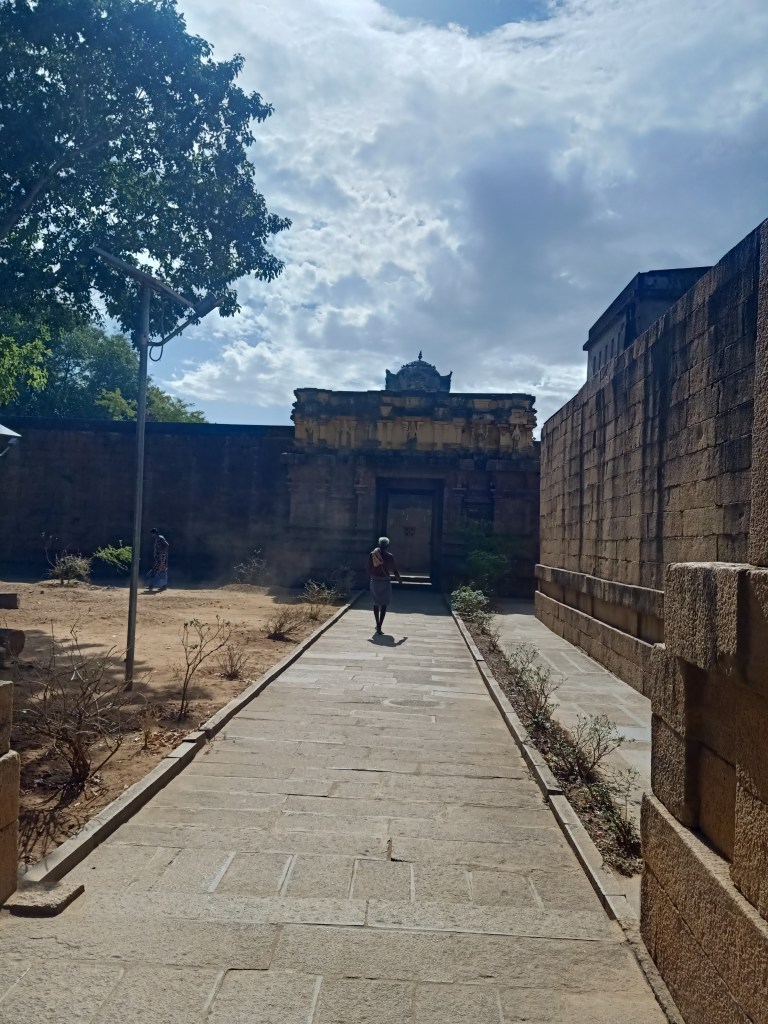
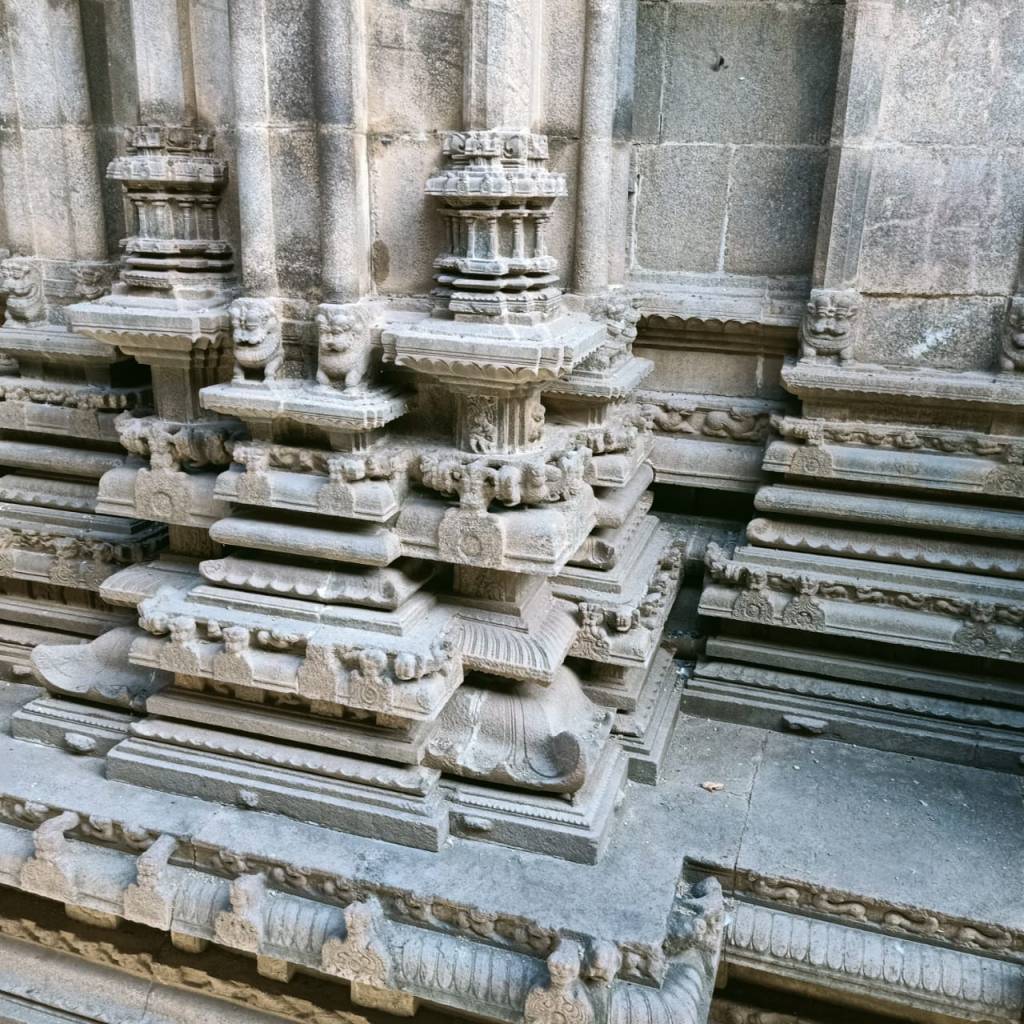
    Thiruvanaikaval is another temple to visit within Srirangam. It is also a layered temple with fewer layers compared to Srirangam. Each one of the walls separating a layer is a stone wall that is at least 30 feet tall. As is normally the case a layer has four gopurams along the east-south-west and north directions. Tourists prefer to enter the temple through the western side that is placed at the end of a narrow street fully of shops. It is preferable to enter the temple through the northern or eastern entrance as these are more frequented by locals because of its convenience. The temple has a big pond and several mandapams. It appears to be packed with stone structures with relatively less room for free space.
    oppo_32
    oppo_0
    Entrance
    oppo_32

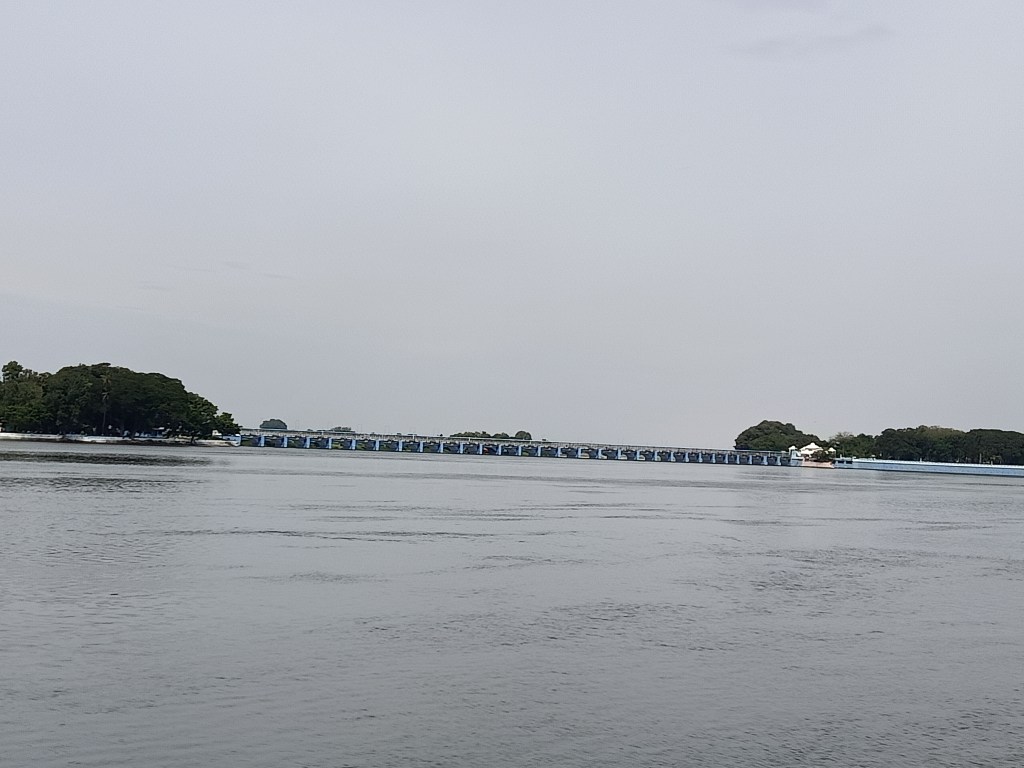
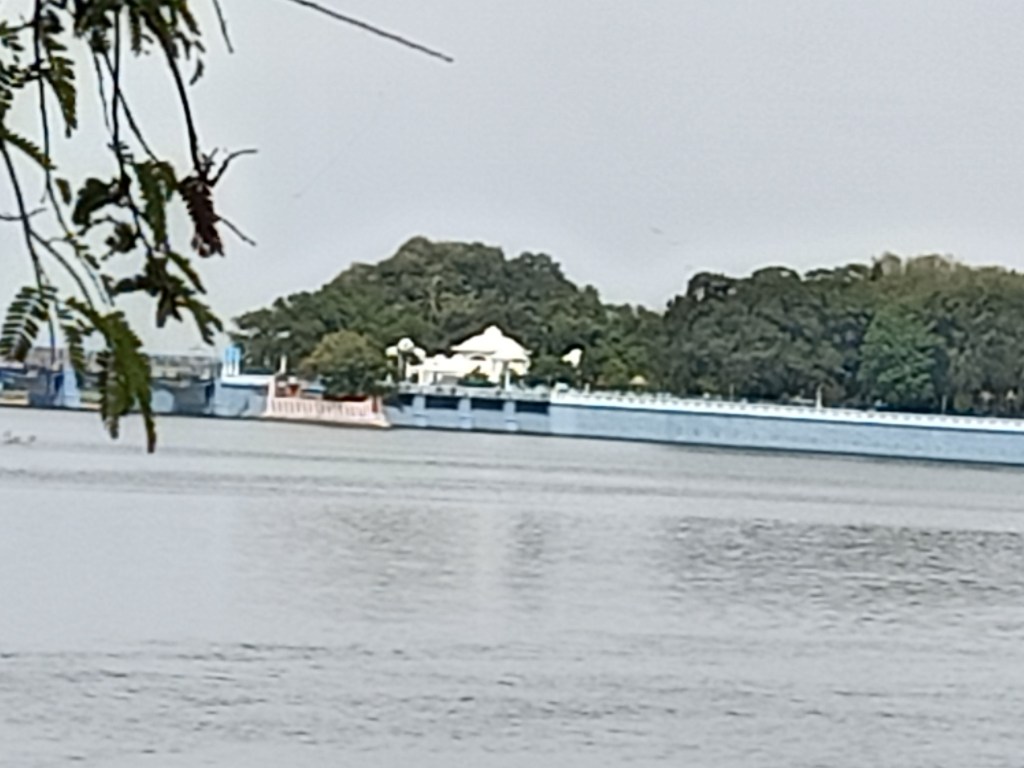
    Grand Anicut or Kallanai Dam

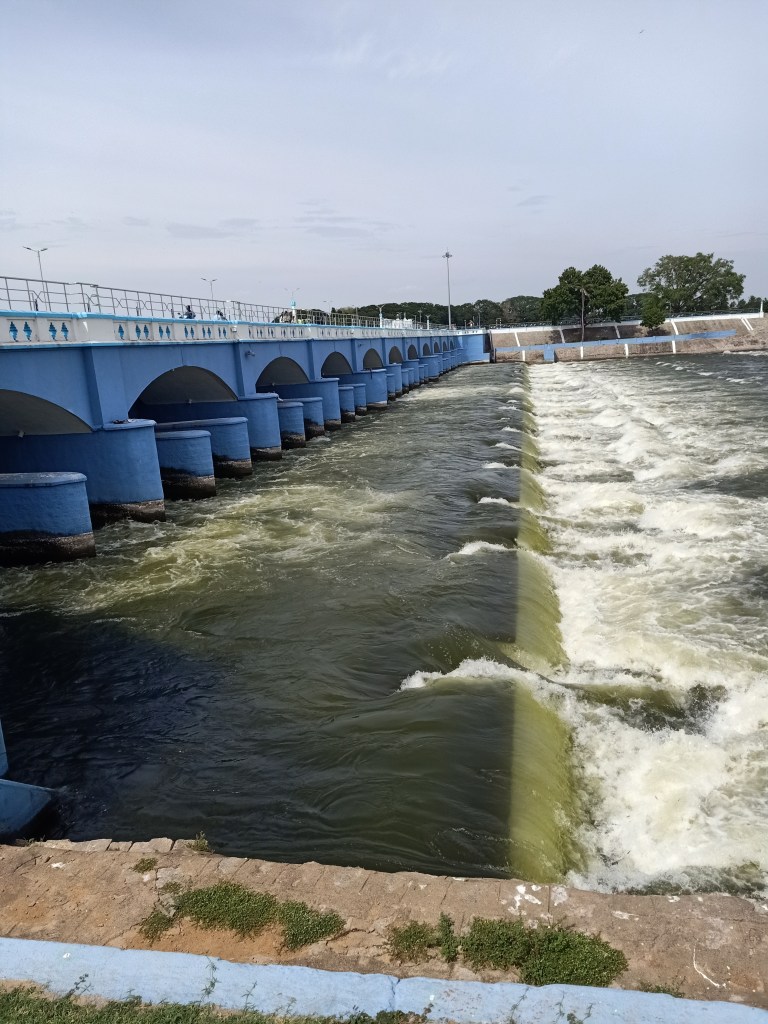
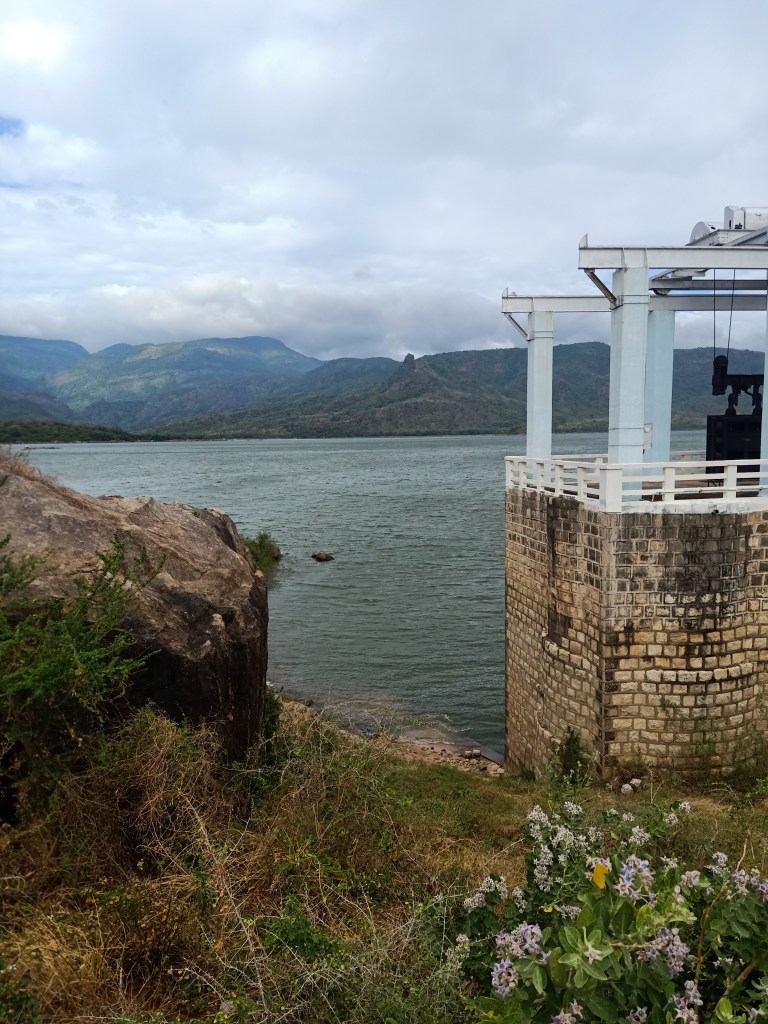
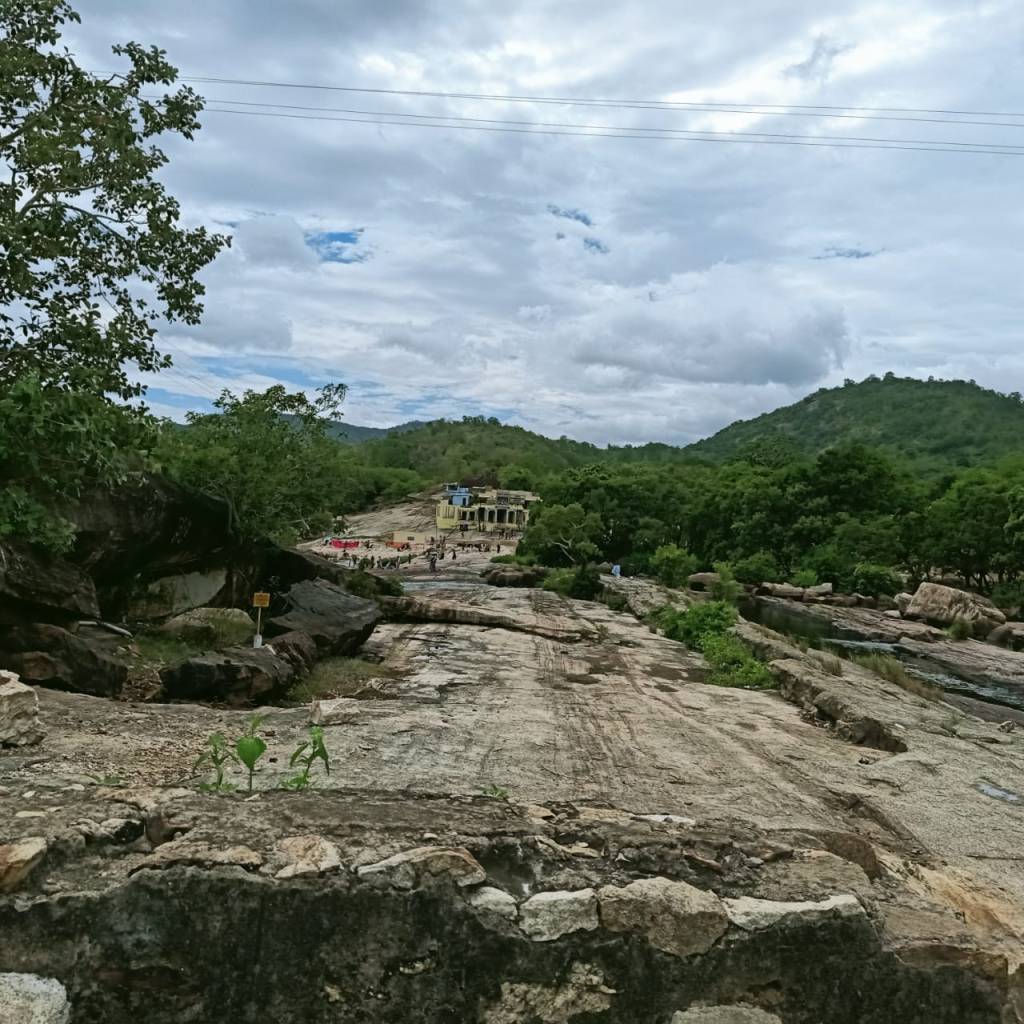
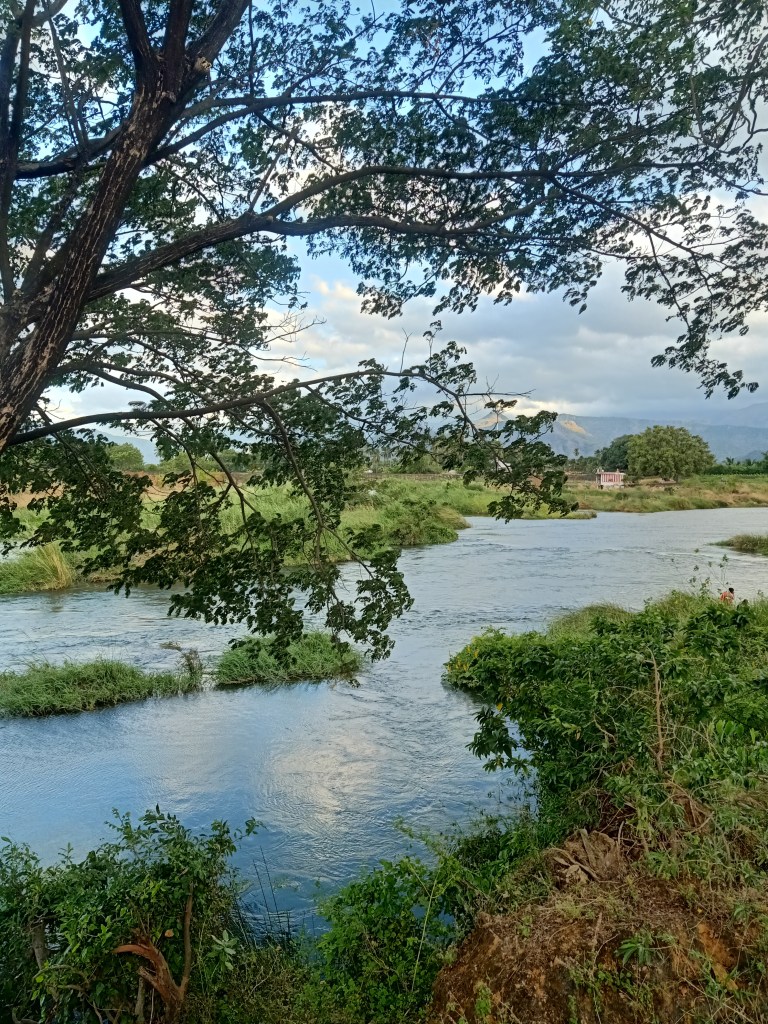
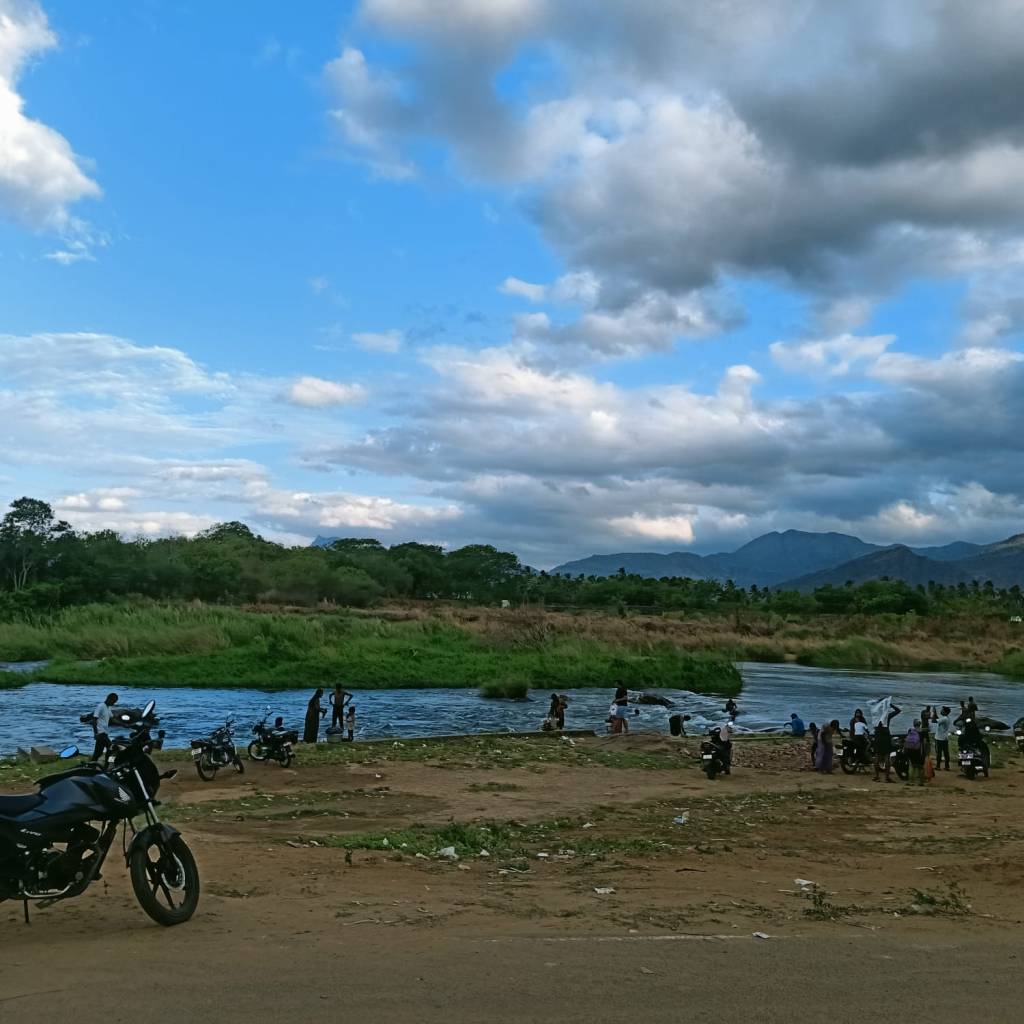
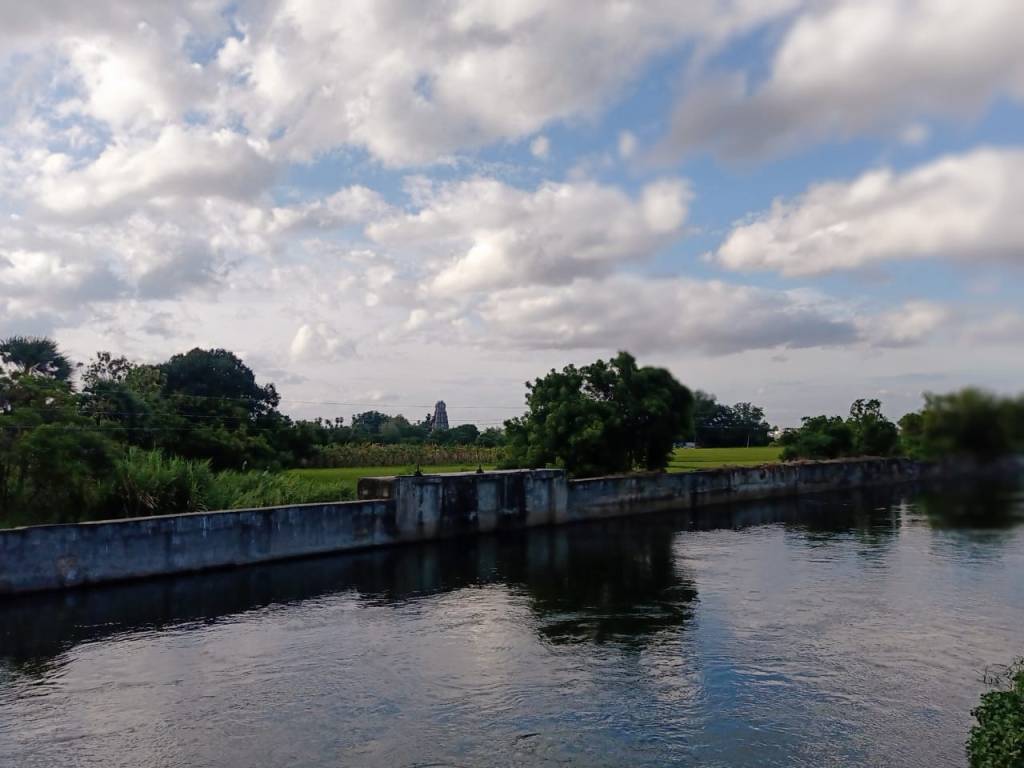
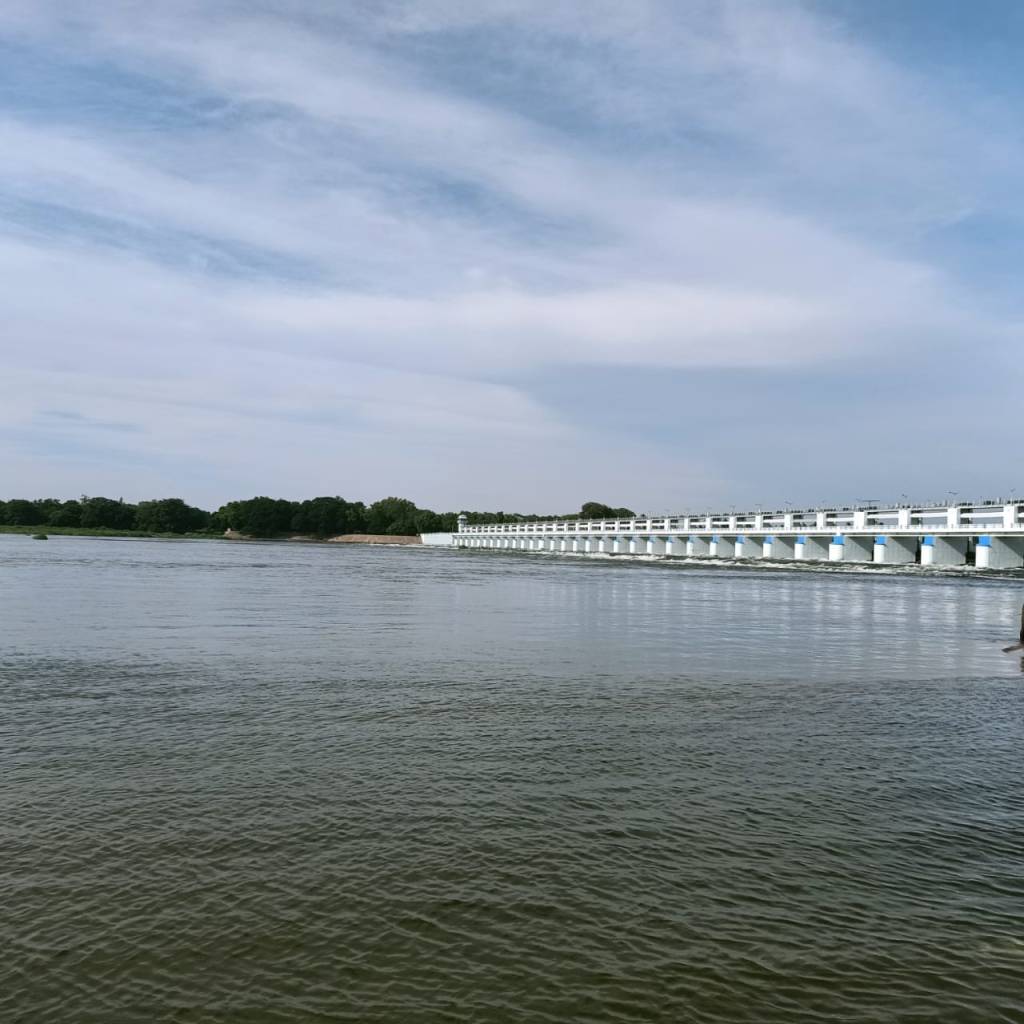
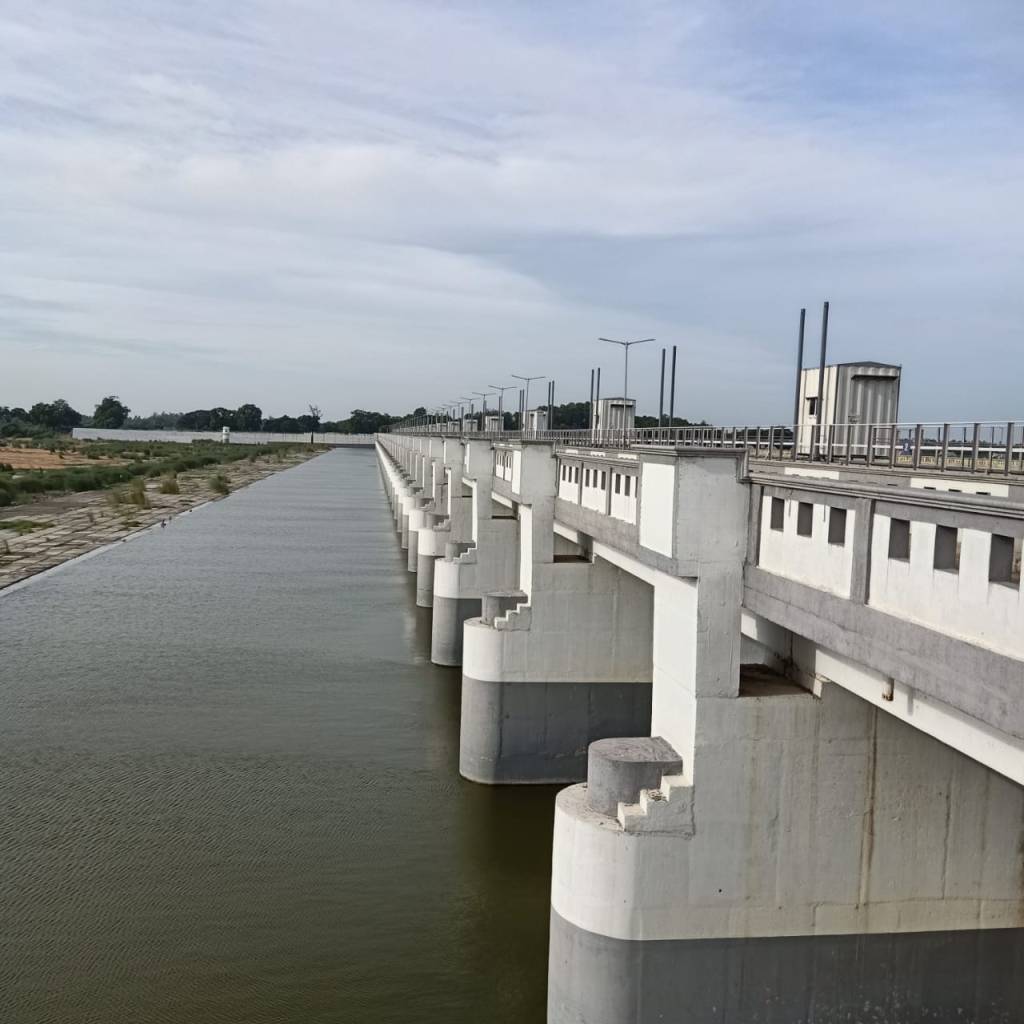
    After spending two days in Srirangam, a trip to Kallanai Dam can be quite exciting. This dam is about 20 km away from Srirangam built sometime in 2nd century is a working dam from centuries ago. It can be approached through roads running along either one of the banks of Cauvery, although at the time of our visit we used the southern bank, as the movement along the northern bank was not allowed due to the construction of a new bridge. Upon reaching the dam one can park their vehicle at one of the two designated spots on either side of the river. At Kallanai, one can see that the waters branch in the southern direction, eastern direction and the excess is directed through the north-easterly direction to Kollidam. Two designated swimming pools (basically, a part of the flowing river is surrounded by grills with concrete flooring), on either side of the Vennar (the river that proceeds to the east and located in the middle) enables one to enjoy the river (check to ensure that there is water flowing here before visiting). This is the eastern most tip of the island of Srirangam.
    oppo_0
    oppo_0
    oppo_32

    Mukkombu Dam

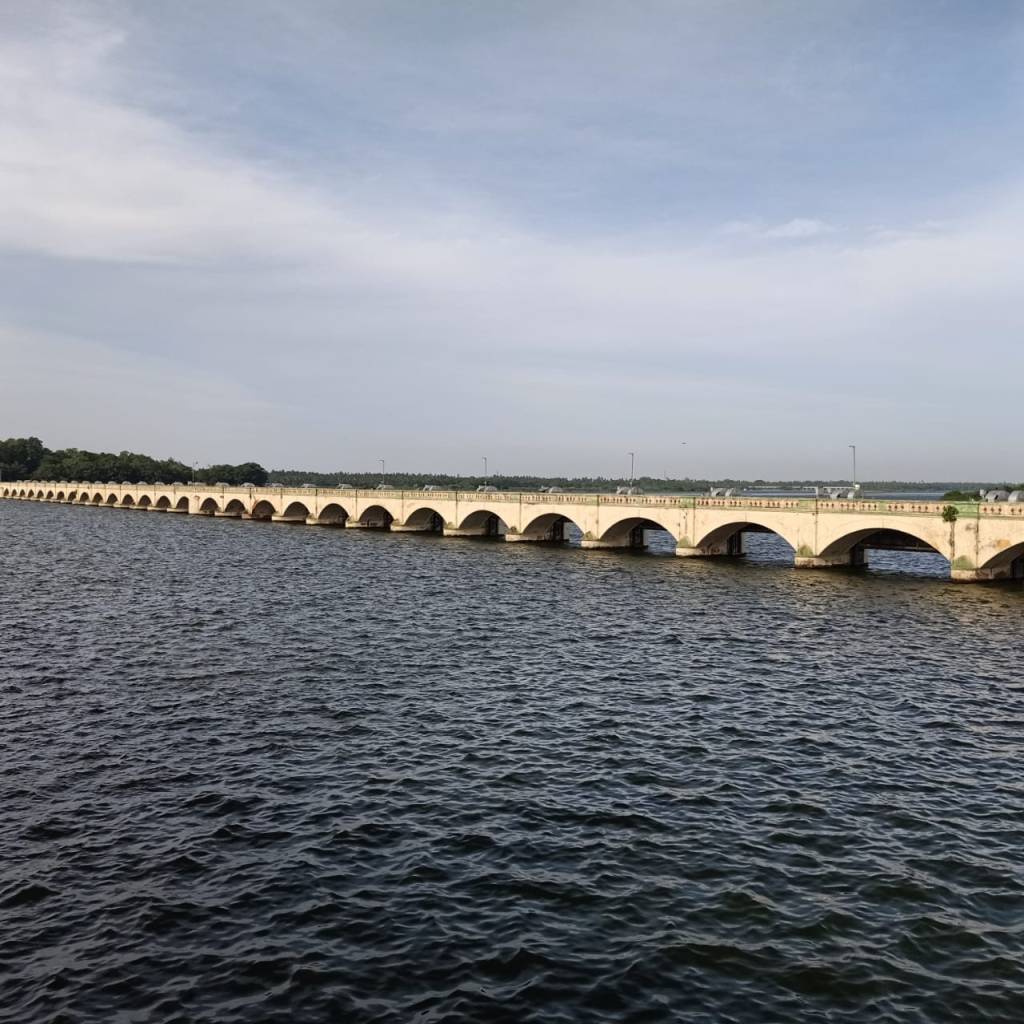
    Another day can be spent on the western extreme of Srirangam where the river Cauvery splits into Cauvery and Kollidam in a place known as Mukkombu. Mukkombu is about 30 km from Srirangam and can be reached by driving from along the Trichy to Coimbatore (southern bank of Cauvery) route or by driving along the Srirangam to Musiri (along the northern bank of Kollidam) route. We preferred the Srirangam-Musiri route as it was less more convenient to drive (less crowded). Moreover the presence of, Thirukkarambanoor Purushothaman Temple , Sri Pundarikaatcha Perumal Temple Thiruvellarai (few kms drive to the north from the Srirangam-Musiri route), Mukkombu followed by Sri Prasanna Venkatachalapathy Temple, Gunaseelam were additional incentives. The drive along the other route would offer a possibility to visit Kamalavalli Nachiyar sametha Sri Azhagiya Manavala Perumal Temple in Uraiyoor. The travel on the Srirangam-Musiri highway was quite enjoyable. At Mukkombu, we strolled through the entire dam area and could really enjoy the Kollidam and Cauvery river as water was in full flow. Small and medium size fishes could be seen jumping out of the water in a manner similar to what we witness of young kids on the banks of the river and birds were quite happy to snatch a few of them as small snack although some of the birds did deep dive to catch bigger fish beneath the water surface. The best part of this experience was the presence of small road-side shops selling mango (apparently available round the year in this area), guava and cucumber. The dam stretched to the extent of about 1 km from one end to the other of the Mukkombu, crossing Kollidam first and then Cauvery. At least few hours are required to go around the dam area, from one end to another, in a relaxed manner. Mode of Travel from : Private TaxiLodging: SrirangamPoints to note along with constraints: Temple timings: Morning: Srirangam temple is open from 6 a.m. to 12 noon (occasionally closed for pooja for about 30 minutes) and from 4 p.m. to 8 p.m. Similar is the timing for the Thiruvanaikovil temple. Timing of other temples is similar with Gunaseelam temple starting for morning worship only at 8:30 a.m. Recreation timings at Kallanai: The Karikaalan museum is open between 10 to 4. Swimming in the designated areas of the river (downstream of Vennar river after the Kallanai dam is also restricted; 10 to 4).
  • Tamirabarani Trails #4


    Manimuthar Falls


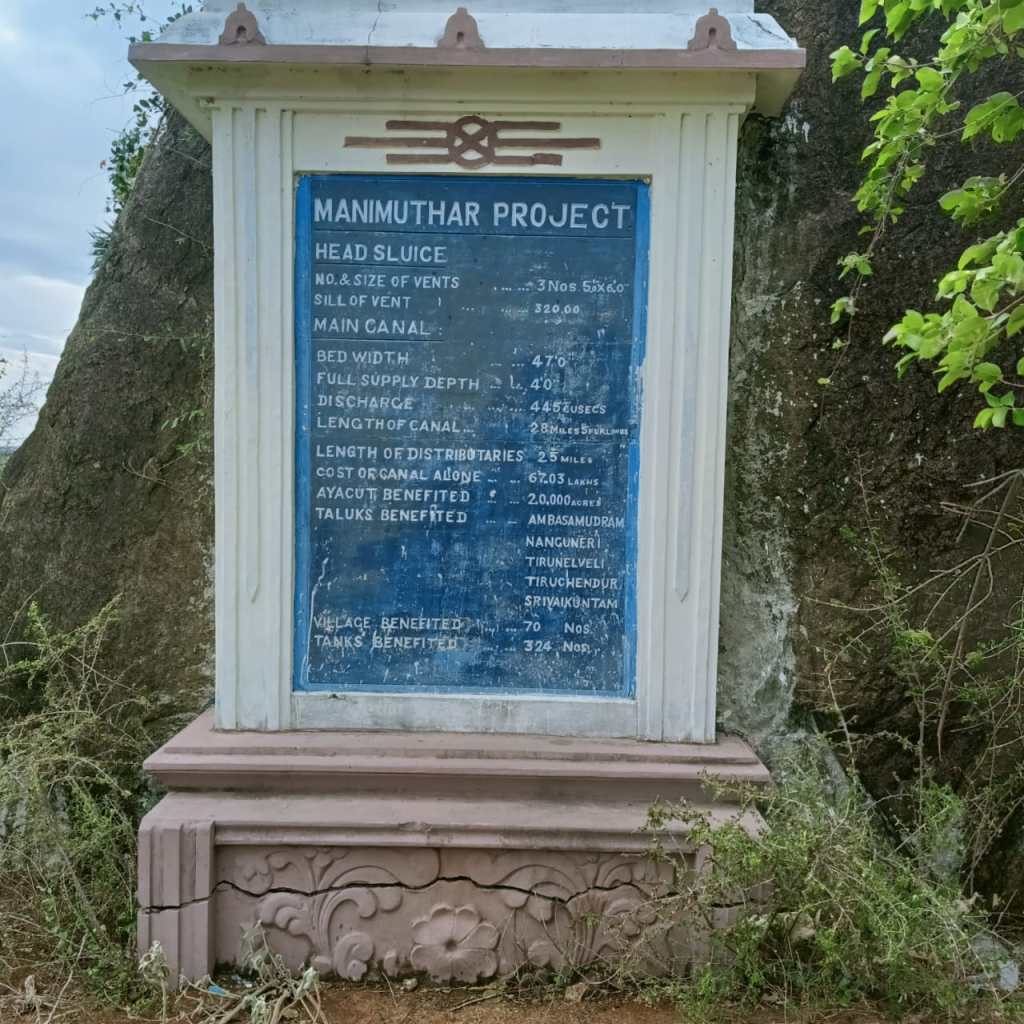
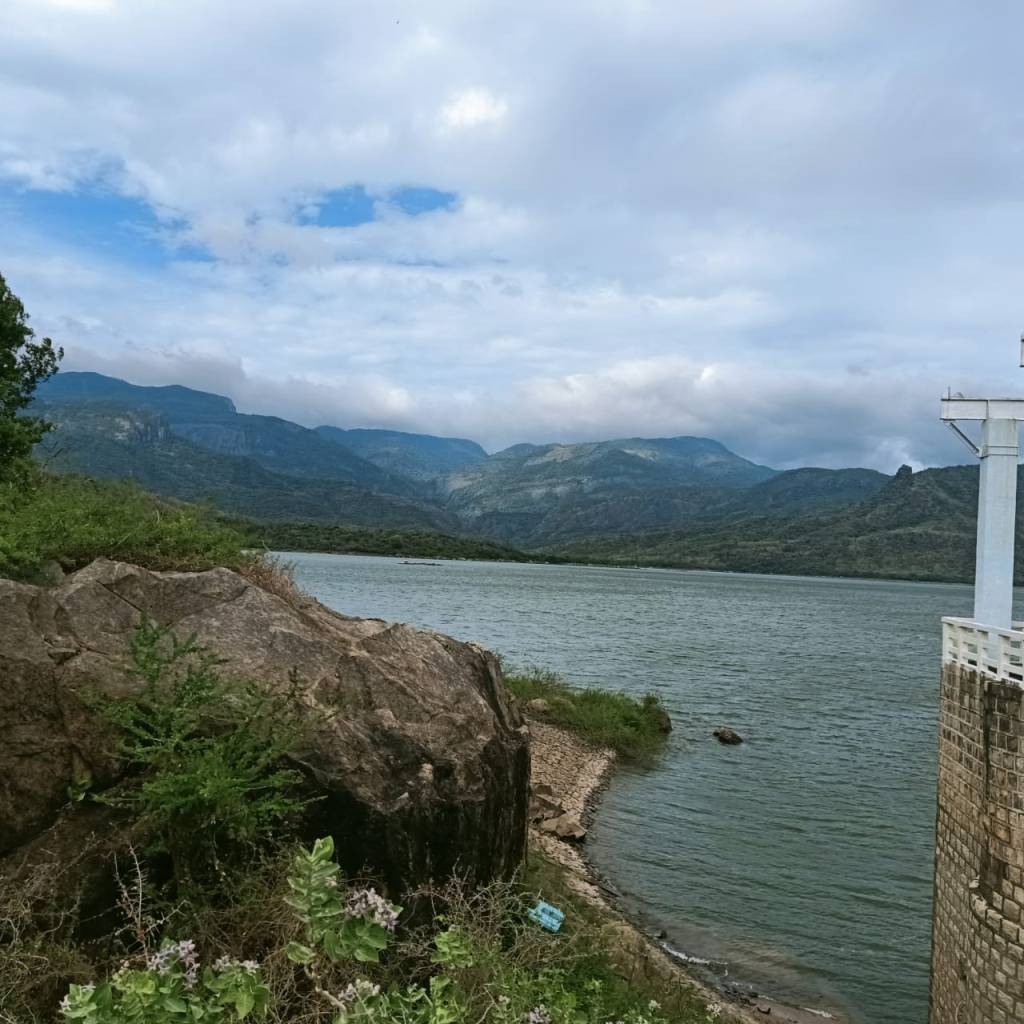
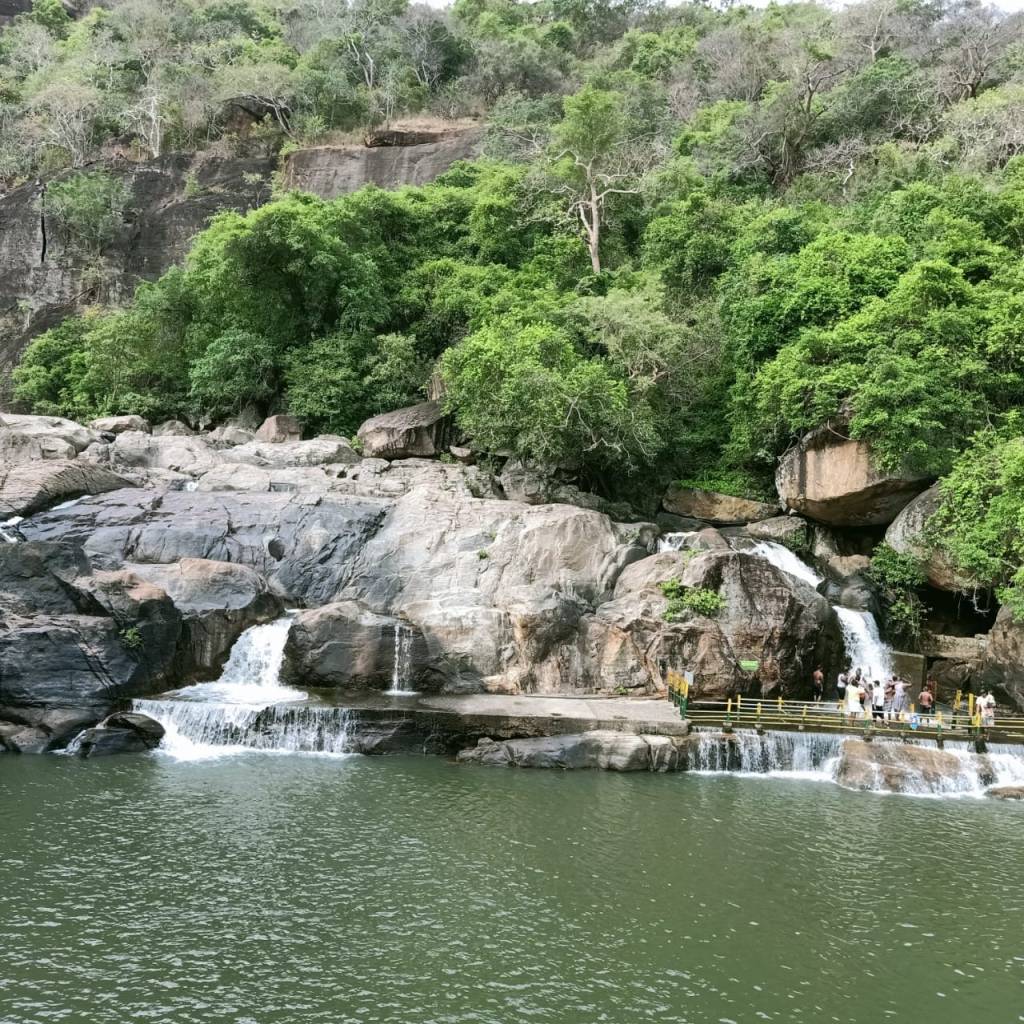
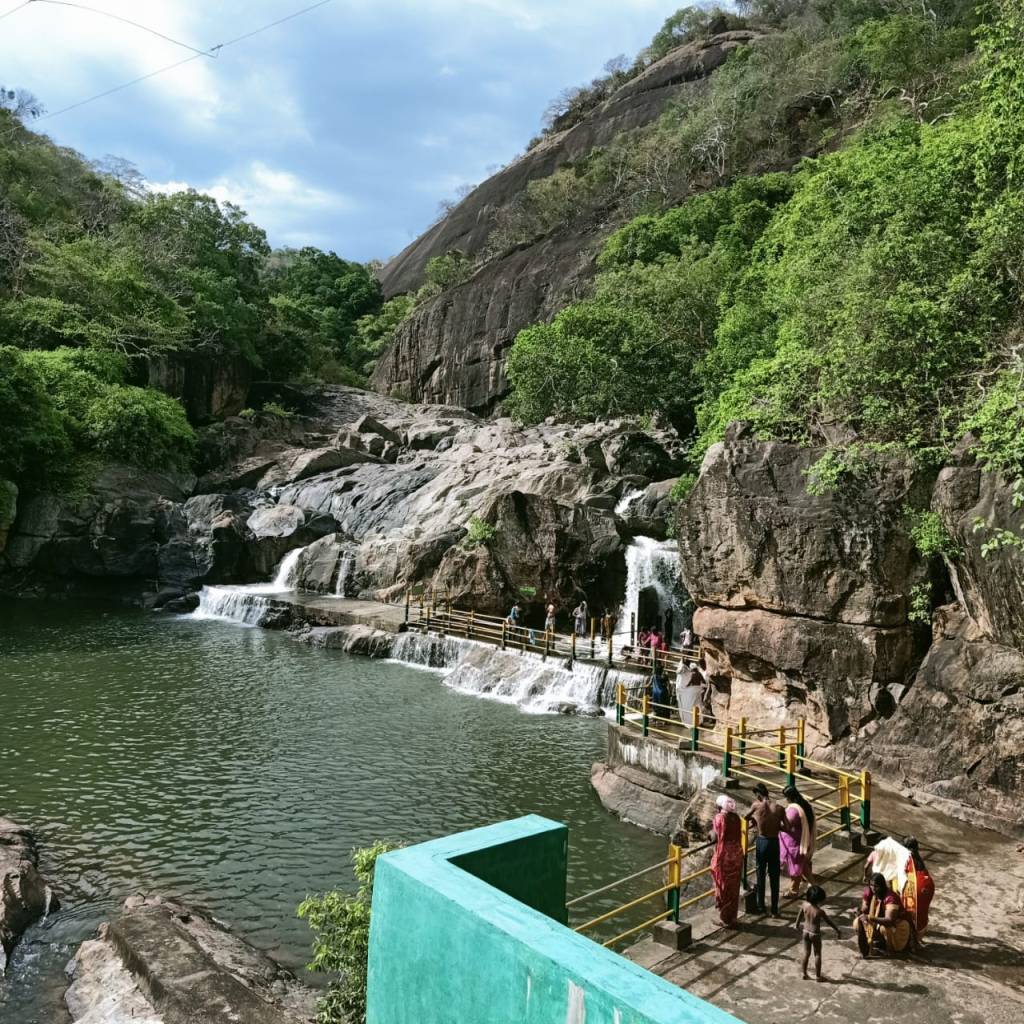
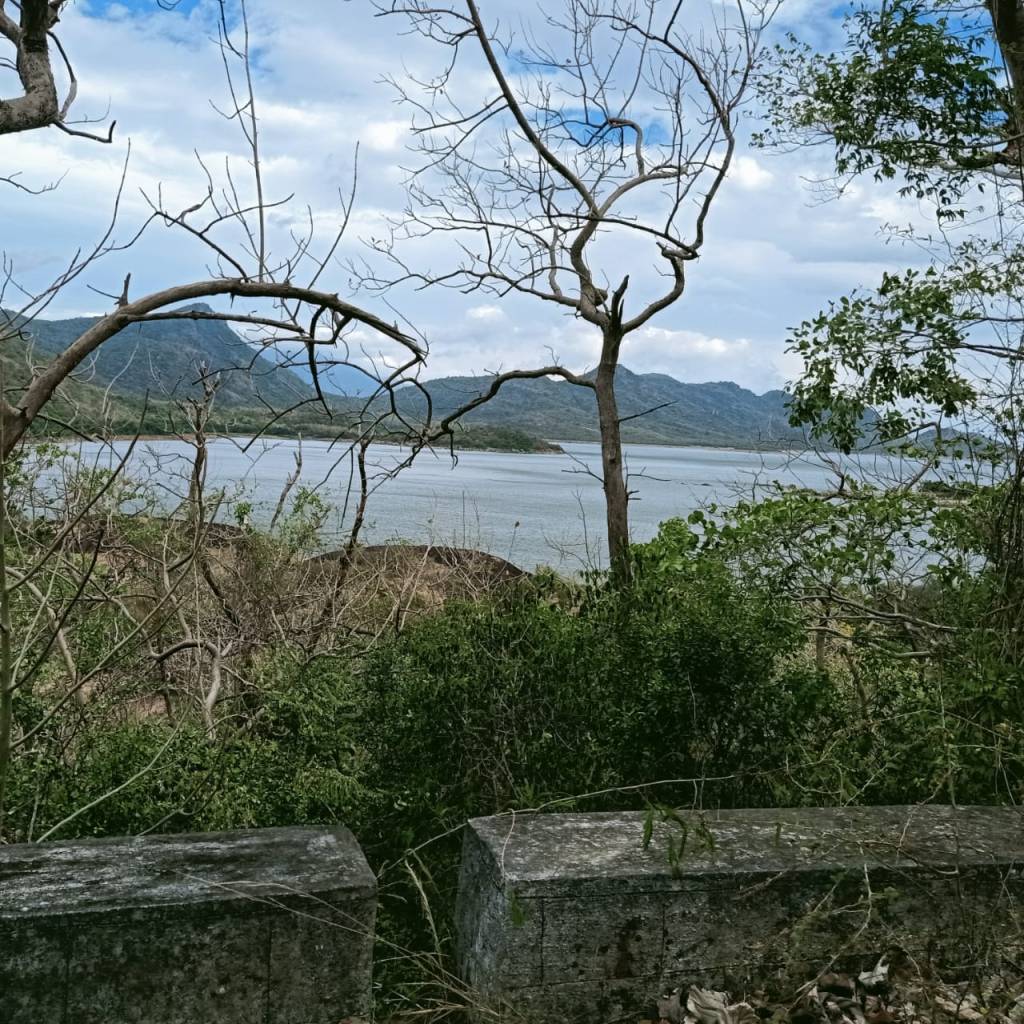
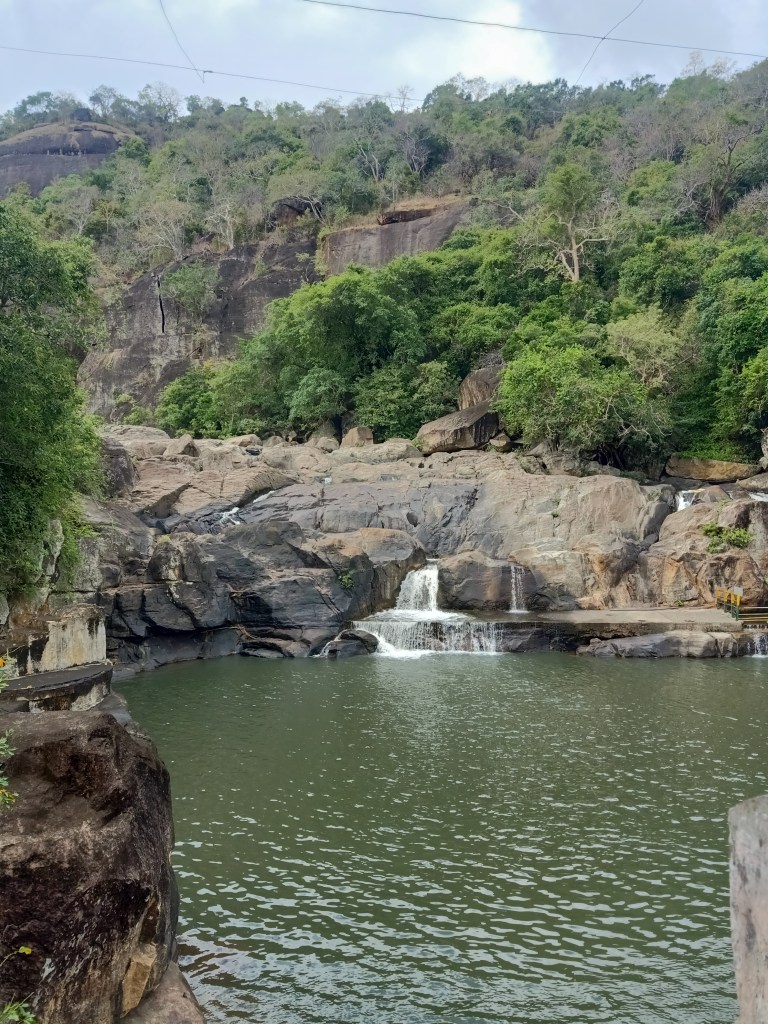
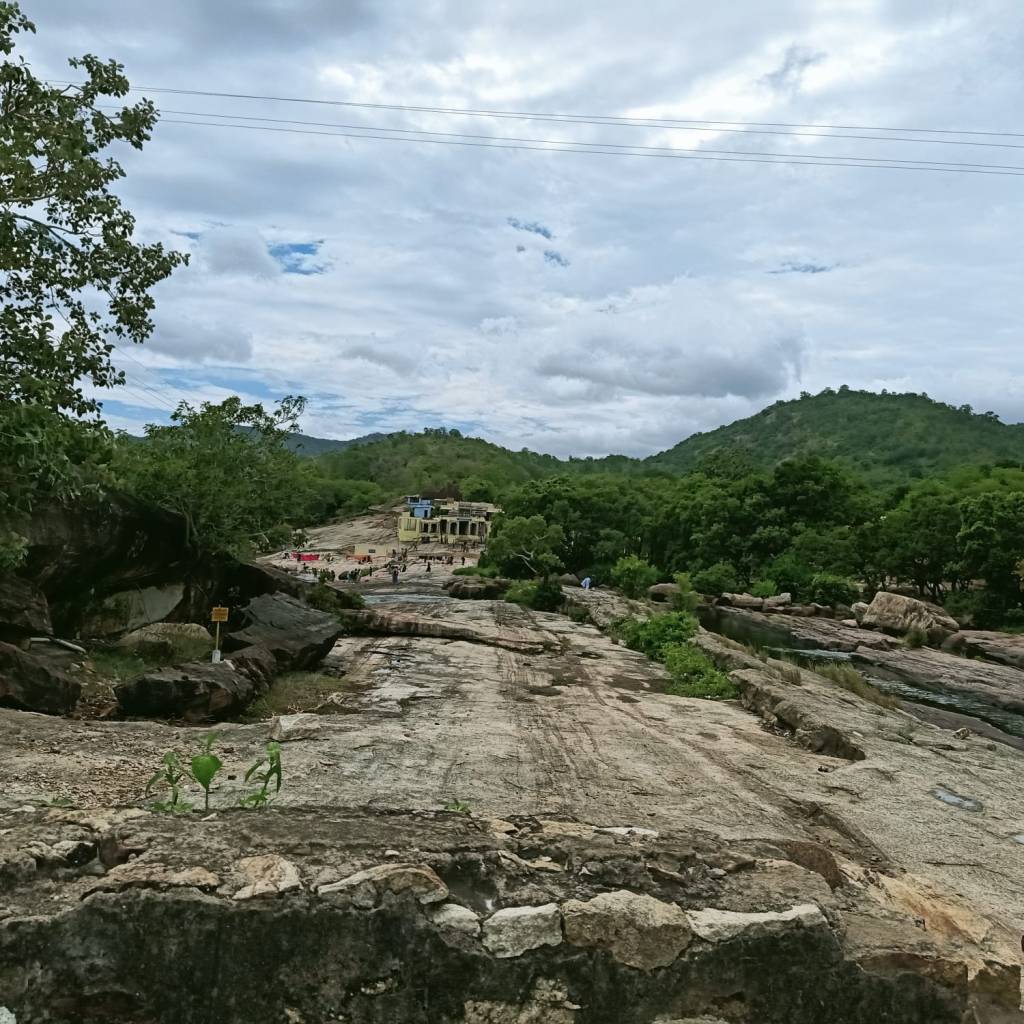
    Manimutharu Falls is about 13 km from Kallidaikurichi. It is in Singampatti forest range, which is one of the places surrounding Kallidaikurichi.  After driving from Kallidaikurichi through Singampatti, the entry point to the forest area can be reached at the foot hills.  This is open from 9 a.m. to 3 p.m. If you travel by private vehicle you are required to pay parking fee (for car/van), enable the inspection of your vehicle (so that disposable plastics are not taken into the forest) at the forest outpost.  The drive up the hill takes you through the dam area with beautiful scenery.  On our way we encountered peacocks and peahens and a vast dam.  We learned that the dam was put in place from the agricultural land, which was prone to flooding.  The villagers exchanged this land for government land in the vicinity, enabling the storage of water that goes as far as away as Radhapuram through canals for the purpose of agriculture.  After driving few kms the Manimuthar falls can be reached.  It is quite enticing at first sight and one must go down few tens of steps (not so friendly for the physically challenged and seniors) to take a shower.  Manimuthar falls is worth the visit for the eyes and more so if you are interested in cooling yourself down in the physical and mental sense!     


    Papanasam

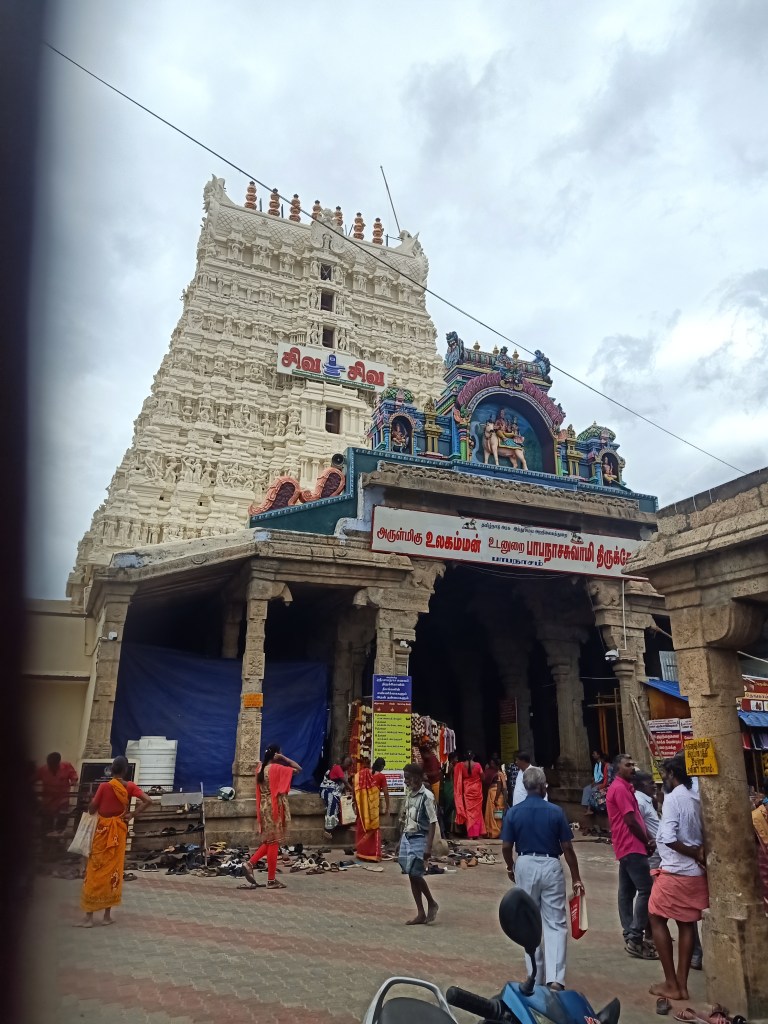
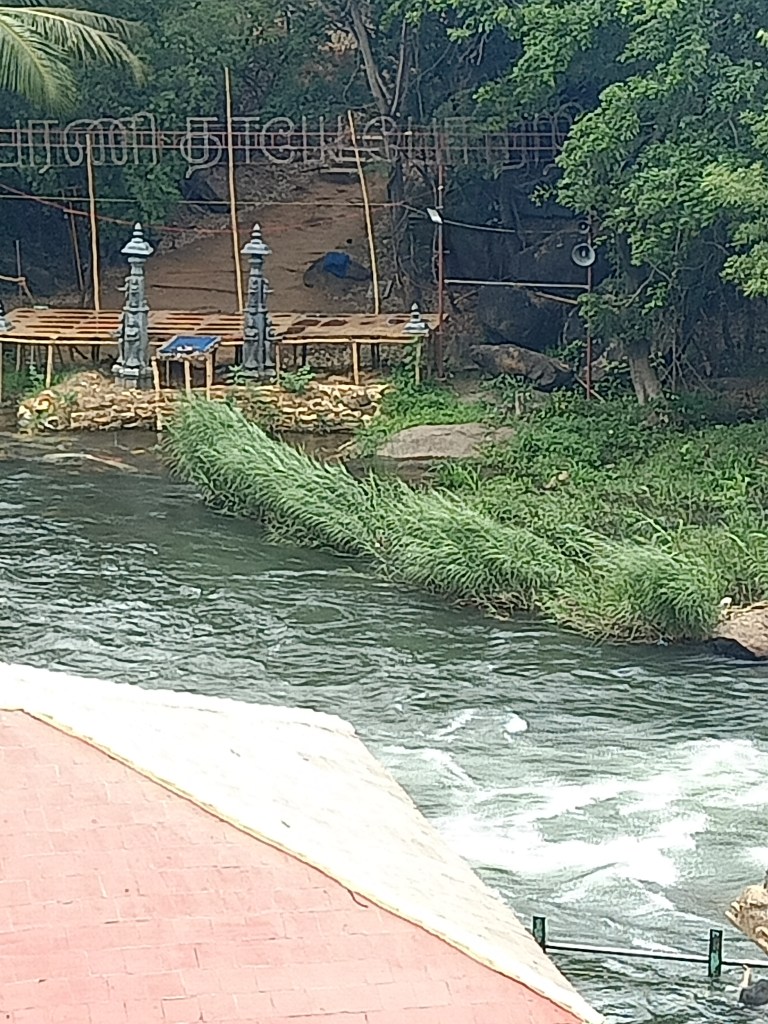
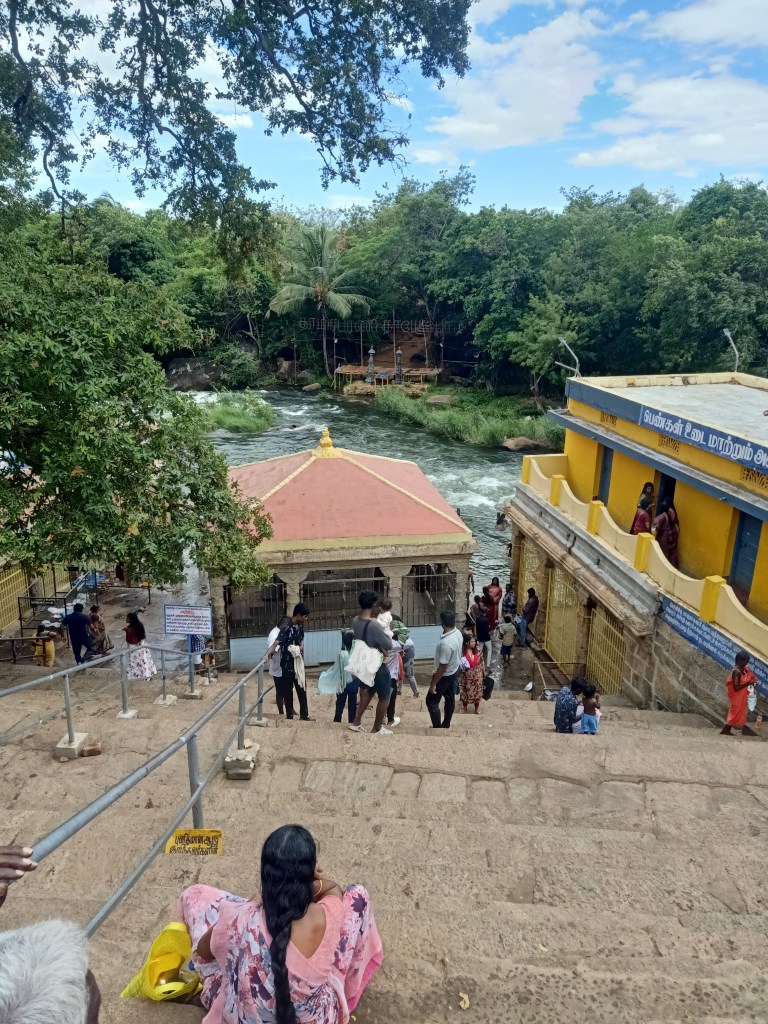
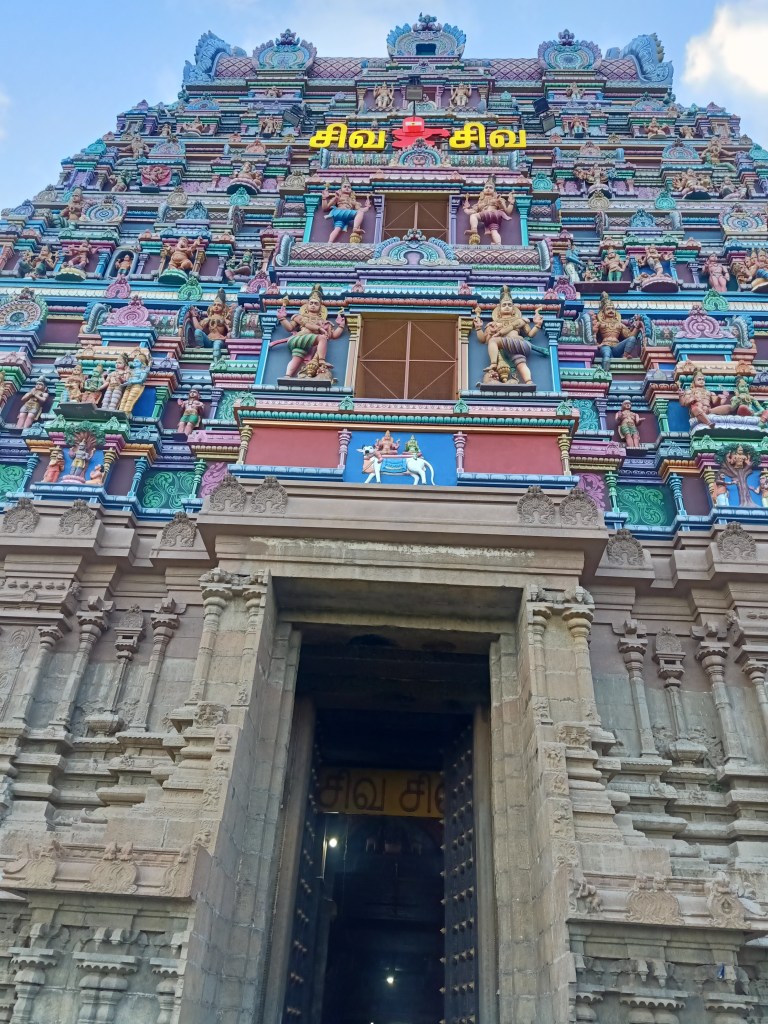
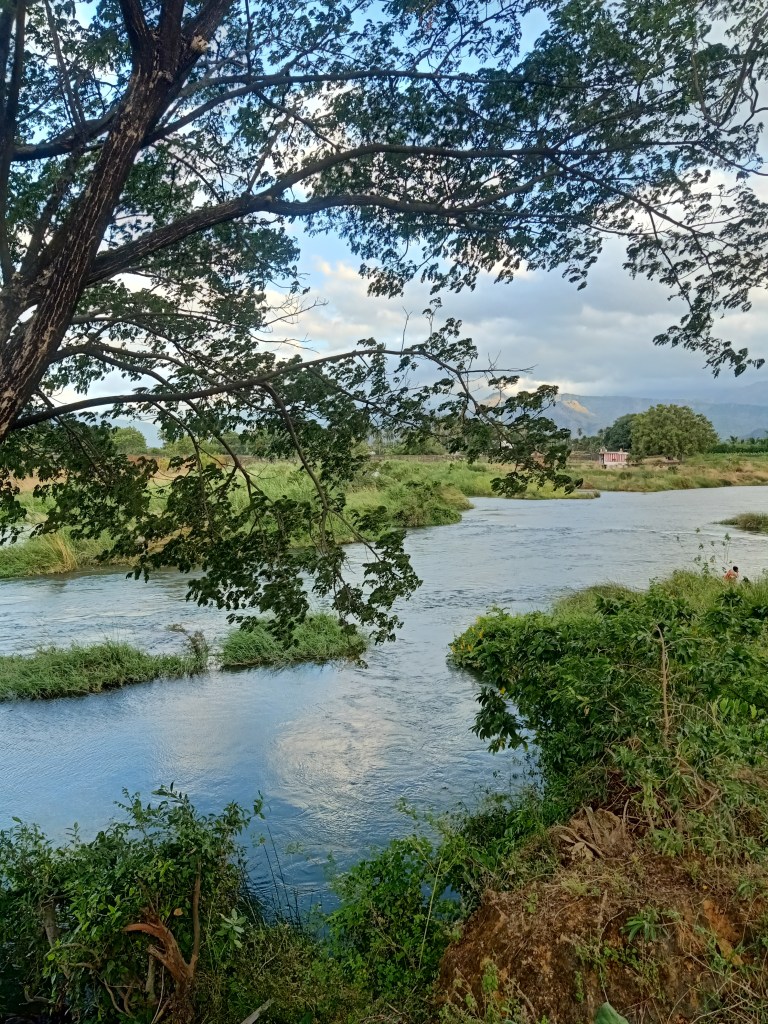
    From Manimutham falls, one can reach Papanasam by driving through the villages on the foothills.  Madura Coats constitutes a significant fraction of the foothills.  These villagers do not step out after dark as Panthers and occasionally bears visit the village to take away domesticated animals (and people if they are more easily available).  Papanasam is located at the foothills of one of the hills leading to Kaaryaar.  The temple appeared beautiful with the mountain on the background and gushing Tamirabarani river, few tens of feet below the temple.  The Siva temple is located right at the place where Tamarabarini enters ground zero at Papanasam.  On the day and time that we visited there was a marriage party that had taken up a reasonable fraction of the temple and thereby restricted our free access to the temple.  If you are willing to climb down through fifty odd steps from the temple/road level, then a bath in Tamirabarini is the gift that you would get. 


    Agasthiyar Falls


    From the Papanasam temple, the road up the mountain (through the regular procedure of checking with the forest department and getting a pass to visit accompanied by payment for vehicle) leads to Agasthiyar Aruvi at first.  To reach the exact location of the Falls, driving about a km from the main road (through a deviation) is required. 

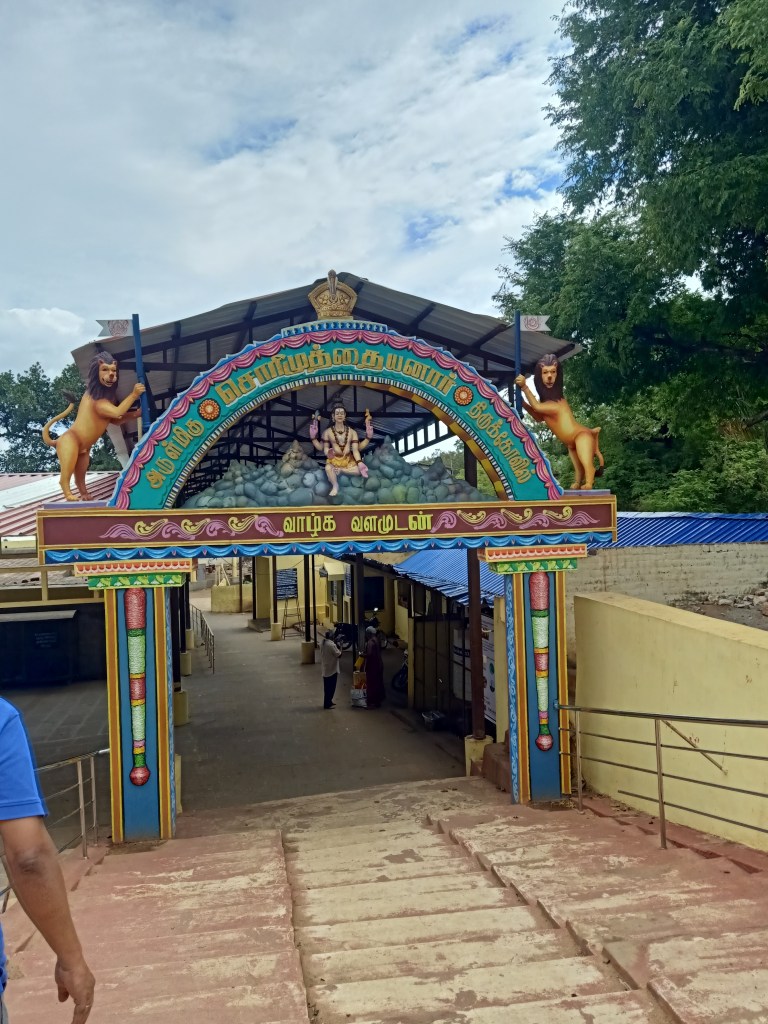
    Sorimuthuayynar Temple in Kaaraiyaar (9 a.m. to 3 p.m.)
    Further drive, up the hill from Agasthiyar Falls, takes you to Kaarayaar where the temple for Soritmuthu Ayyanar is located.  This is where the drive up the hill stops.  This temple is for Sorimuthyayyanar and Sangili Boothathaar and is quite popular among the people of the surrounding area.    


    Points to note along with constraints:
    Please check with the locals if there is water flow in the falls at least one day in advance before the visit.  Water flow is not perennial and is especially copious only when it is rainy season. 

    When visiting places such as Manimuthar Falls/Dam, Agasthiyar Falls/ Kaaraiyaar take note that they open at 9 a.m. and close at 3 p.m.  An entry fee is required for private vehicles and the Forest Department takes note of the vehicle number and instructs you not to use disposable plastic in the forest area.  The use of plastics (especially carry bags) is strictly forbidden in these places and the vehicle is thoroughly checked by the forest official at the check-post. 
    At Manimuthar, private vehicles are allowed to ply only till the Manimuthar Falls and not beyond.  If you wish to go to higher elevation such as Maanjolai estate then you must use public transportation (read, government operated bus).       

    Temple timings:
    Morning: Open from around 7 a.m. to 11 a.m. (12 noon on special days and where visitor density is high);
    Evening: from 5 p.m. to 8 p.m. 
    In some temples, where conduct of marriage takes place it may not be unusual to encounter a “sendai melam” party just outside the temple, 50 to 100 relatives and friends, as well as nadhaswaram-thavil kutchery inside the temple where the ceremony is conducted in front of the main sanctum.  This means that the duration that one would spend in a typical temple (30 minutes to 1 hour) may have to be extended, especially if more than one marriage is conducted at about the same time. 

  • Mannarkoil  or Rajamannar Koil

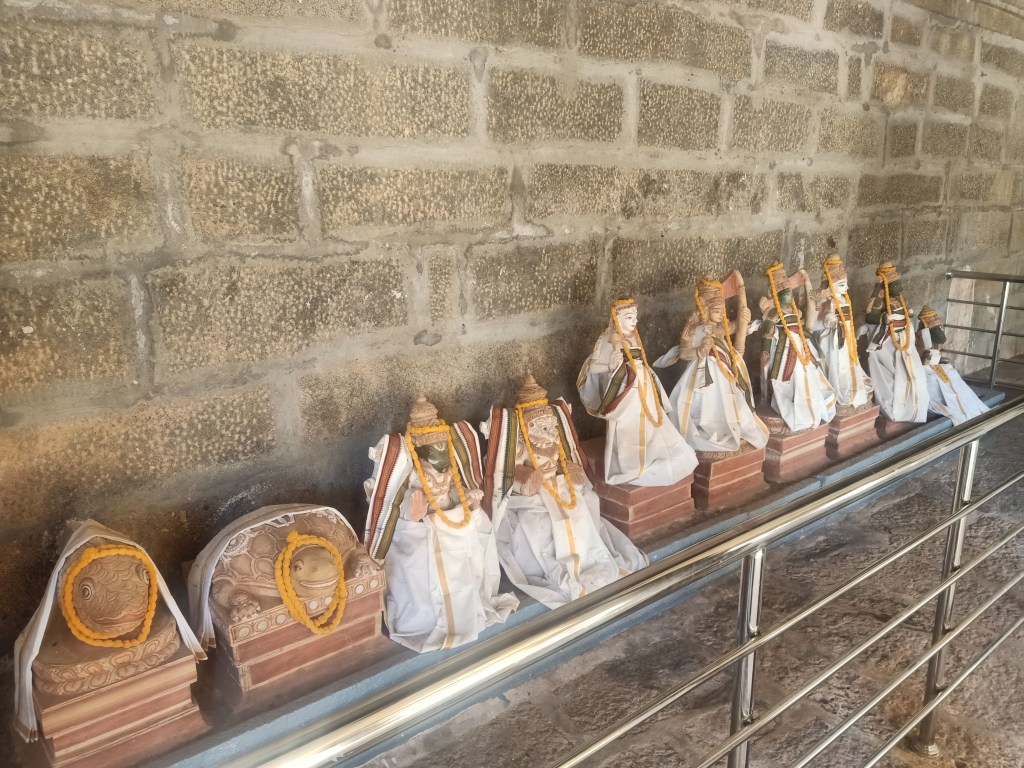
    A must visit temple. This temple is located about 1 km from the Ambasamudram railway station and is in a quiet unassuming place but the 5emple stuns you. The temple follows Vaikanasa “Aagamam”. It has several inscriptions on stone, behind the main sanctum. One can infer from these inscriptions that all the three Tamil Kings (Chera, Chozha, Pandiya) patronized it.  Kulasekara Alwar is supposed to have spent the last thirty-three years of his life in this temple worshipping his “Ishtadaivam” Rama who is present as Uthsavar in the “Kalyana Kolam”.  “Vimanam” is “Ashtangam” and the pattern is similar to Ramaswamy Koil of Cheranmahadevi except that this temple appeared to have better patronage for maintenance.  The garden surrounding the temple was beautiful and we cited at least two peacocks and one peahen.  The printed descriptions on one of the walls quotes from several old Tamil literature of authority indicating that the forms of worship in temples of Tamil Nadu date back to at least two thousand years and organically blended into the life style and culture of people living in Tamil Nadu.  Outside the first “praharam” and as one goes around the garden the “Brindavanam”/”Sannidhi” of Kulasekara Alwar can be seen on the North-eastern side.  If one is interested in architecture, sculpture, history and reading of inscription then this temple has much to offer.  If one is interested in taking a broader look at the village, climbing up the “vimanam” is suggested.  This temple is a feast for those who are interested in architecture, sculpture, reading of inscription and carved game

    Maragathambal Sametha Kashyapanathar Temple (“Erithaatkondaar”),

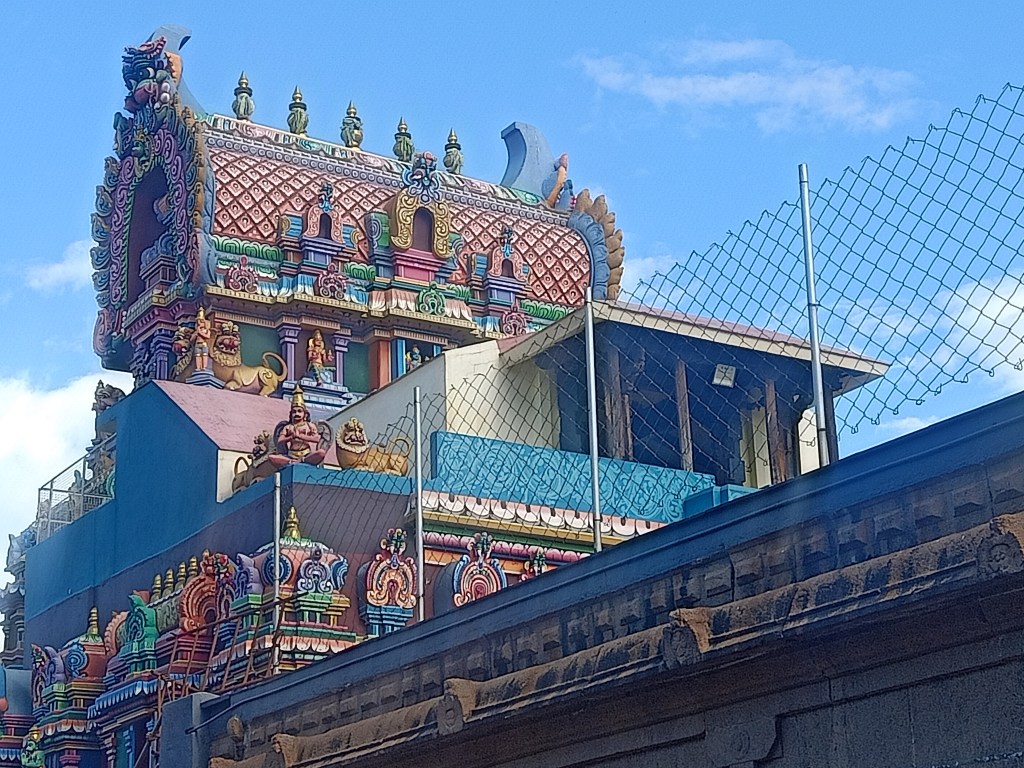
    This is an impressive temple as one drives from Kallidaikurichi to Ambasamudram across the Kannadiyan Canal (first crossing) and Tamirabarani river (second crossing).  It is also visible from the Kannadian Canal foot overbridge. It is a big temple with colourfully painted rajagopuram and could easily leave a very good first impression.  It is also known as Dakshina-Kashi (as six burning ghats are located close to the temple on the banks of Tamirabarani river similar to Kashi) and “Erithaatkondaar” Temple.  There are two “praharams” (circumambulatory path) and we could see inscriptions in granite in the praharam surrounding Kashyapanaathar “Sannidhi”.  Maragathambal “Sannidhi” faces Tamirabarani river. According to the Sivachariar (temple priest) the place was called “Ambalsamudram”.  Outside the first “prakaram” are two “Sannidhis” of “Perumal” and Shiva facing each other. The priest informed that according to local belief a Kannada Gayathri “Upasakar” took on the sins of the ruler, who had a terrible disease, by accepting a human edifice made from “gingelly seed or el”.  With a mountain of sins left on him he wanted to get rid of the same.  He therefore dug a canal from the place where he lived (close to Kallidaikurichi) to Singikulam (Pranchery) or by tracing the path taken by a freelancing cow from his place to the first place where it lied down to take rest. The canal is therefore called Kannadian Canal.  Not satisfied with this feat and having taken a mountain of sin, he came down to Kashyapanathar Temple to seek his blessings.  Kashyapanathar hid himself in the roots of a jack fruit tree within the temple as he wished to avoid seeing a person loaded with sin.  Unable to find Kashyapanathar, the brahmin sought the help of the temple priest who misled him multiple times.  Angered, he burnt him through the power of his Tapasya.  Kashyapanathar wished to save his bakthas (priest and the brahmin) and therefore he appeared in person before the brahmin and requested him to forgive the priest as the priest lied out of his devotion to him.  He not only restored the priest back to life but also took up the balance sin of the brahmin and this happened before “Perumal” and hence the lord is known as “erichattkondar”. 

     Chinna Sankaran Koil, Ambasamudram

    The “chinna” Sankaran Koil is located few kms west of Kashyapanathar temple along the banks of Tamirabarani.  It appeared to be denominational temple (possibly patronized, largely, by a denomination or community).  It is right on the banks of the Tamirabarani river (Padiththurai in Tamil parlance) where several local residents could be seen cooling their heels off after a heavy day of work. 

    Athi Varahar Temple, Kallidaikurichi

    The Athivarahar Temple in the heart of the “Agraharam” in Kallidaikurichi appeared to be an old temple.  Muthuswamy Dikshitar has composed a song in praise of this lord and therefore this temple must be at least 300 years old.  In addition, there were number of inscriptions on the stone walls confirming the assumption that this must be an “old” temple.  This Agraharam has eighteen streets and appears to be populated with at least 100 plus brahmins, largely above the age of 50 years.  It is lively throughout the day and quiet at night.  In addition to the Athivarahar temple, there is a small Ramar-Pillaiyar temple on the banks of Kannadiyan Canal and Sringeri Mutt, close to it.       These four temples can be visited, leisurely, by anchoring at Kallidaikurichi or Ambasamudram.  Alternatively, a directed half a day, preferably morning hours, from Tirunelveli may also be suitable.    

  • Bakthavathsala Perumal Temple, Cheranmahadevi

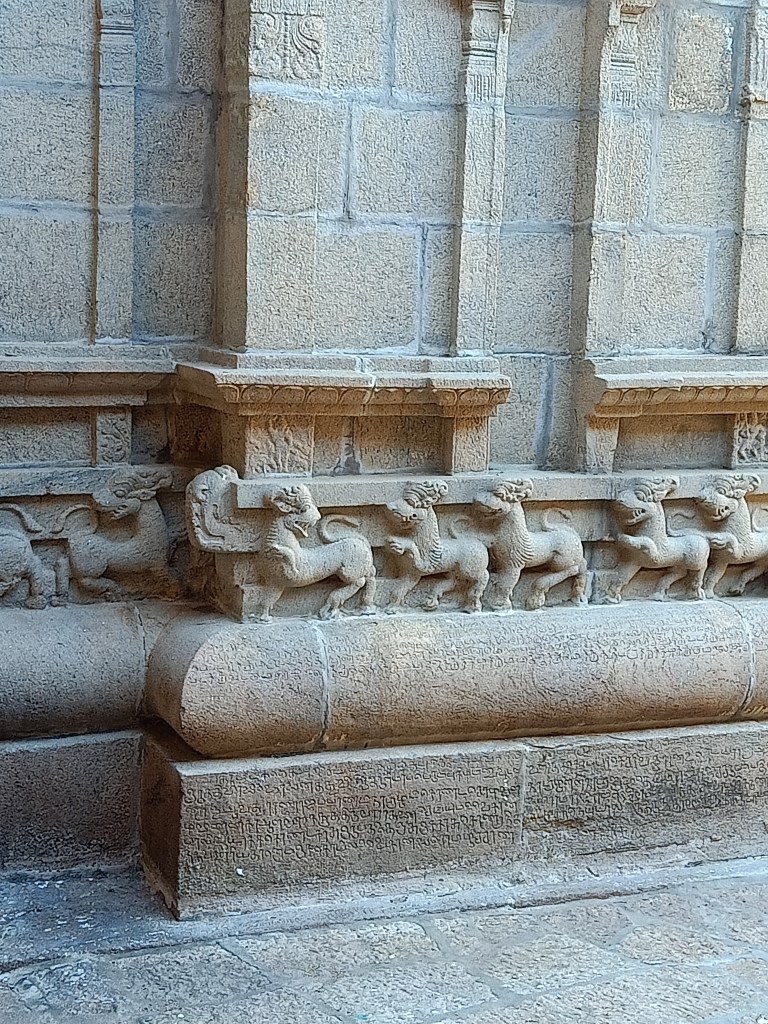
    From the Ramaswamy temple, driving through a narrow and winding road towards the Tamirabarani river we reach the majestic and mesmerizing Bakthavathsala Perumal Koil. This temple is grandiose in appearance. The entry is through the western side while the eastern side gate is locked, not that easily accessible and apparently is used rarely. It is well fortified with two circumambulating walls of granite with numerous inscriptions. The Tamirabarani bank, located a mere 100 metre away was scenic and those who wish to take a dip can do so at the “padithurai”. This impressive temple is maintained by ASI. Really worth visiting especially for the architecture and location. This is open for worship only in the morning. This is the only “Vyadipadha parigara” temple. There is also a Meenakshi Sundareswarar temple within the temple campus. The temple walls are full of inscription and the priest told us that the temple was built and renovated by the Chera, Chola, Pandya and the Nayaka dynasties.

    Tamirabarani bank

    Appan Venkatachalapathy Temple, Cheranmahadevi

    The Appan Venkatachalapthy Temple is less than one km from Ramaswamy Temple on the main road from Kalakkadu via Cheranmahadevi, in Cheranmahadevi. Appan Venkatachalapathy temple is a moderate size temple with several stone inscriptions. This temple is also open for worship only during the morning hours and closed during the evening hours. Perhaps morning hours would be more suitable for visiting all the three temples in Cheranmahadevi in a single visit.

    The Appan Koil had a huge flourishing Pathasala, kitchen . It was run by people from Udupi. Today the whole area seems remote.

  • Welcome to WordPress! This is your first post. Edit or delete it to take the first step in your blogging journey.